Greetings
The meaning of greetings and bows within martial arts traditions.
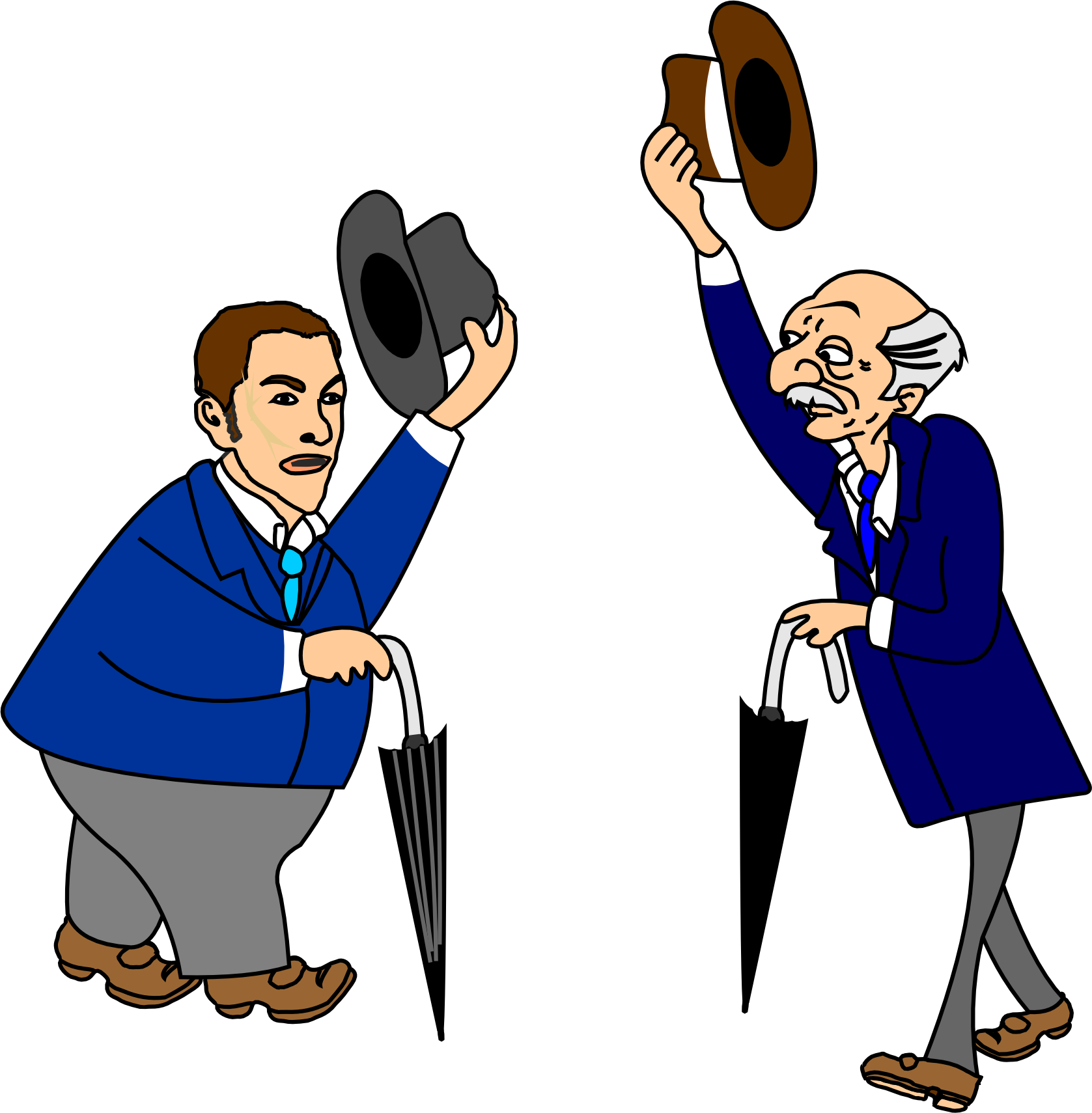
Greeting as the Foundation of Respect A Study within NC5
“Respect begins before the first movement — and remains after the last.”
Greeting appears simple. A bow, a handshake, a nod of the head. Yet greeting is one of the oldest and most meaningful forms of human communication.
Every culture has its own way of greeting. What is natural in one country may be inappropriate in another. A handshake, an embrace, a bow, a military salute — the forms differ, but they share a common essence: acknowledging the presence of another. Greeting is more than politeness.It is a sign of awareness, respect, and intention. When we greet, we say without words: I see you.That simple recognition creates safety and connection. It strengthens relationships and establishes a foundation of mutual respect. A sincere greeting is often returned sincerely. In that exchange, a subtle bond is formed. Within the family, this begins early. Parents greet their children in the morning, before school, upon returning home. These repeated gestures provide stability. When such rituals disappear, their absence is felt. Greeting carries emotional meaning.
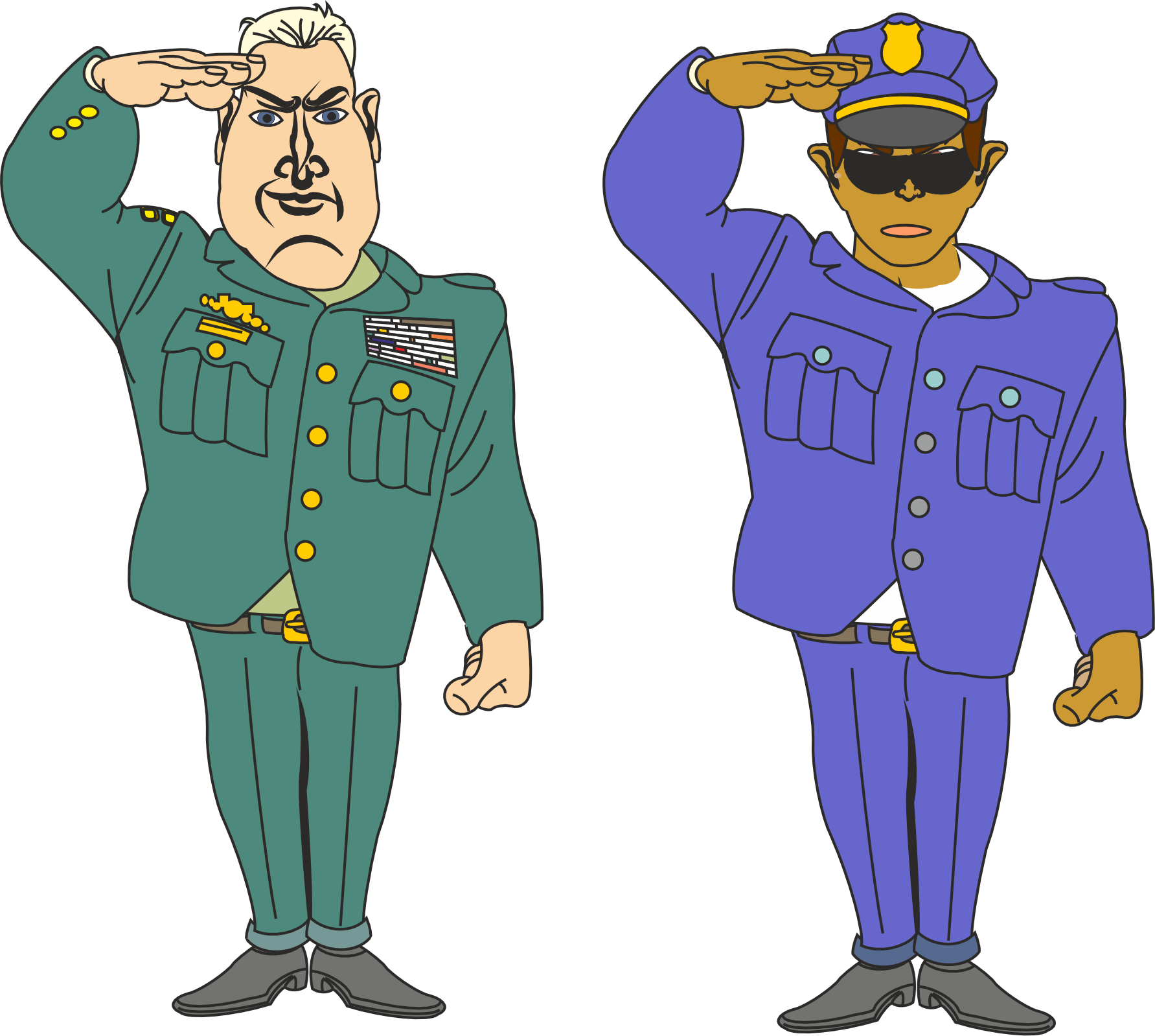
Greeting within Groups and Traditions
Within certain groups, greeting carries deeper significance. Sports teams, scouts, music groups, military units — each may have its own form of acknowledgment. The greeting confirms belonging. To know and respect the greeting of a group is to show that one understands its culture. In martial arts, this becomes even more pronounced.
The dojo is not an ordinary space. It is a place of study, discipline, and development. For that reason, greeting inside the dojo differs from greeting on the street. Treating both situations as identical can reveal a lack of awareness. This raises an important question: When do you shake hands, and when do you bow? The answer lies not merely in rules, but in understanding context. Greeting requires situational awareness — a core value within NC5.
The Historical Depth of Greeting
In Japanese martial traditions, greeting developed profound importance. During the time of the samurai, etiquette was not secondary — it was essential. It formed part of Bushidō, the Way of the Warrior. A mistake in posture or respect could carry serious consequences. Greeting was not simply external form; it reflected inner discipline and self-control. The outer movement revealed the inner state. Modern budō disciplines such as judo and karate continue this tradition through reishiki — the etiquette of bowing. Precision in greeting demonstrates attention, focus, and respect.
- As with kata, levels of perception differ.
- A beginner may notice little detail.
- An advanced practitioner sees more.
- A teacher perceives the whole.
The way one greets reveals awareness. Not as a tool for judgment, but as a mirror of development.
Greeting as Character Formation
In many cultures, bowing the head expresses respect or apology. Speaking politely, listening attentively, and valuing others are often lessons learned at home. Yet a well-guided martial art can deepen these values. Not through force, but through repetition and consciousness. Within NC5, greeting is understood as character training.It reminds the practitioner that technique without respect is hollow.
Greeting as Social Resilience
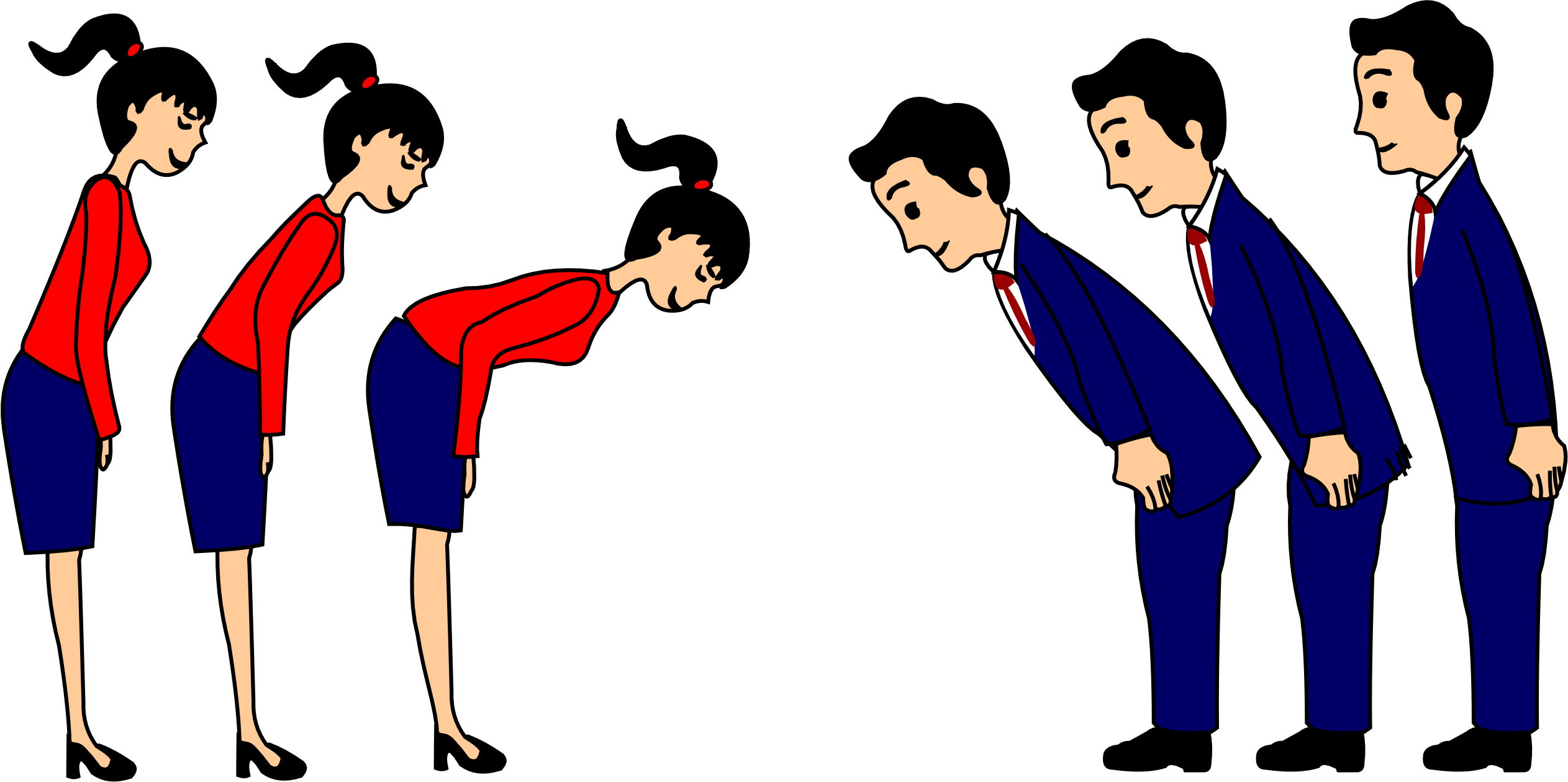
How Deep Do You Bow?
Greeting also serves a practical function.
- Greeting upon arrival or departure demonstrates confidence and rightful presence.
- Greeting someone you recognize — even without personal sympathy — shows maturity.
- Greeting elderly or physically weaker individuals politely communicates calm and good intention.
- Greeting strangers with alert courtesy prevents appearing insecure or vulnerable.
A greeting can reduce tension before words are exchanged. It is a subtle form of social resilience.
Traditional forms often distinguish degrees of bowing:
A light bow (approximately 15 degrees) for equals or friends.
A deeper bow (around 30 degrees) as a general respectful greeting.
A deeper bow (45 degrees) to express particular reverence.
Yet the angle is less important than intention.
A technically correct posture without inner awareness is empty. A simple gesture with sincere intent carries strength.
Greeting within NC5
Within NC5, greeting is not treated as a formality, but as a foundational practice.
It is the first and last movement of training. It marks the transition from the ordinary state to focused awareness, and from physical exertion back to composure. A greeting signals intention: discipline begins here. Technique without respect becomes empty. Power without restraint becomes unstable. The act of bowing reminds the practitioner that strength must always be governed by character. It reinforces humility, awareness of context, and responsibility toward training partners, teachers, and oneself.
Greeting is not weakness.It is control. It acknowledges the presence of another —and the responsibility that comes with skill.
← Back to the NC5 Circles
Explore Further → Greeting in the dojo