Greeting in the Dojo
Understanding the rituals of greeting and respect inside the dojo.
Etiquette and Awareness
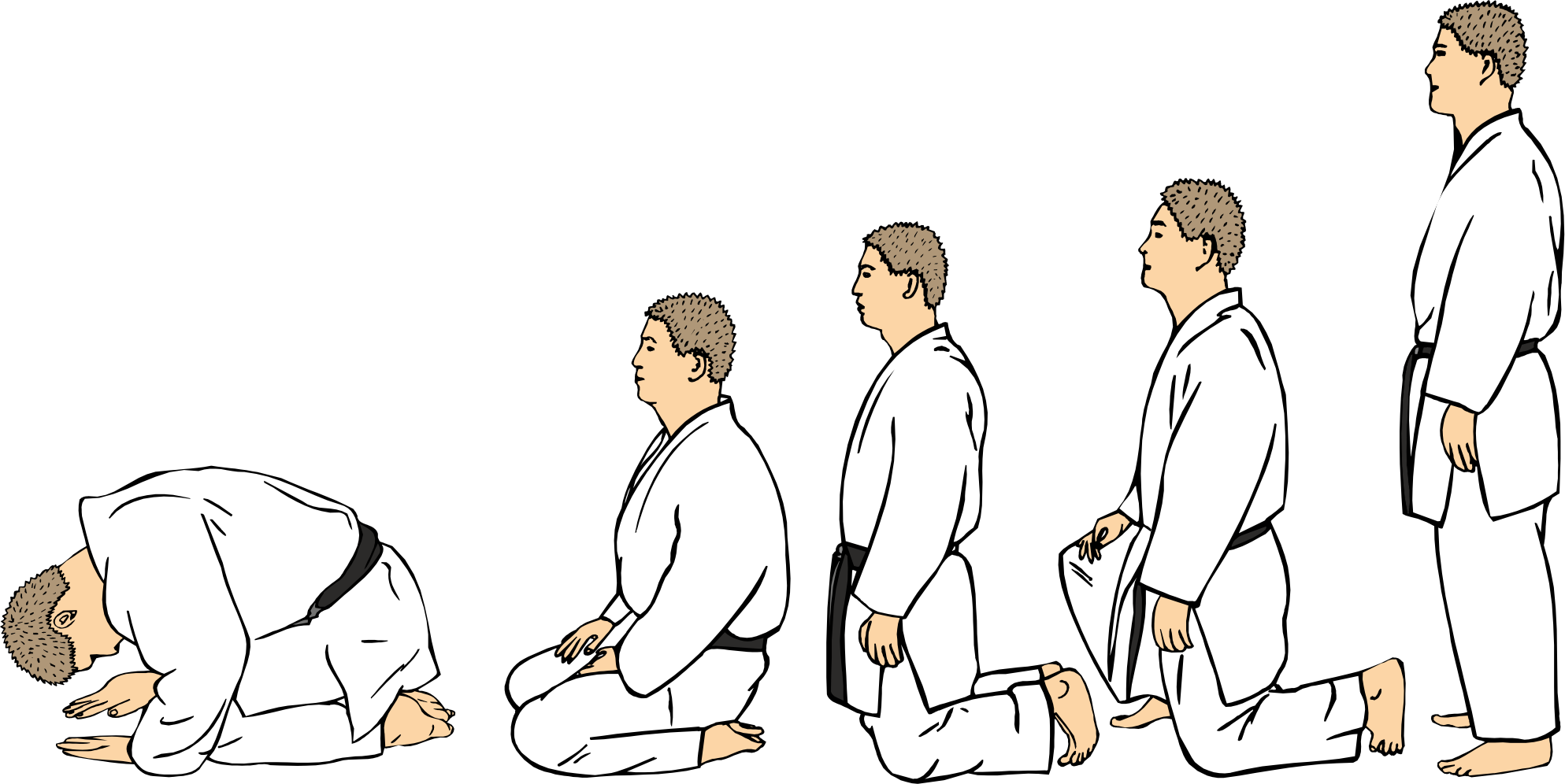
Within a dojo, training hall, or seminar setting, greeting takes on a more specific meaning. While a general greeting expresses acknowledgment, the dojo greeting represents a conscious agreement. One of the essential principles within martial arts is learning to greet correctly. Greeting marks intention. It is a visible moment of self-control.
Greeting takes place:
- before and after class
- when entering and leaving the training space
- before practicing with a partner
- after completing an exercise
- when beginning or ending training under a teacher
One does not simply walk into or out of the dojo. One does not simply grab a partner to begin practice. Everything begins with acknowledgment and permission.
The dojo greeting means:
- I am here to learn.
- I will handle what I learn with care.
- I ask permission to train with you.
- I give you permission to train with me.
- I express gratitude for shared practice.
Greeting is therefore not a formality, but a mutual understanding.
Detail and Awareness
The deeper one studies greeting, the more meaning can be found in detail.
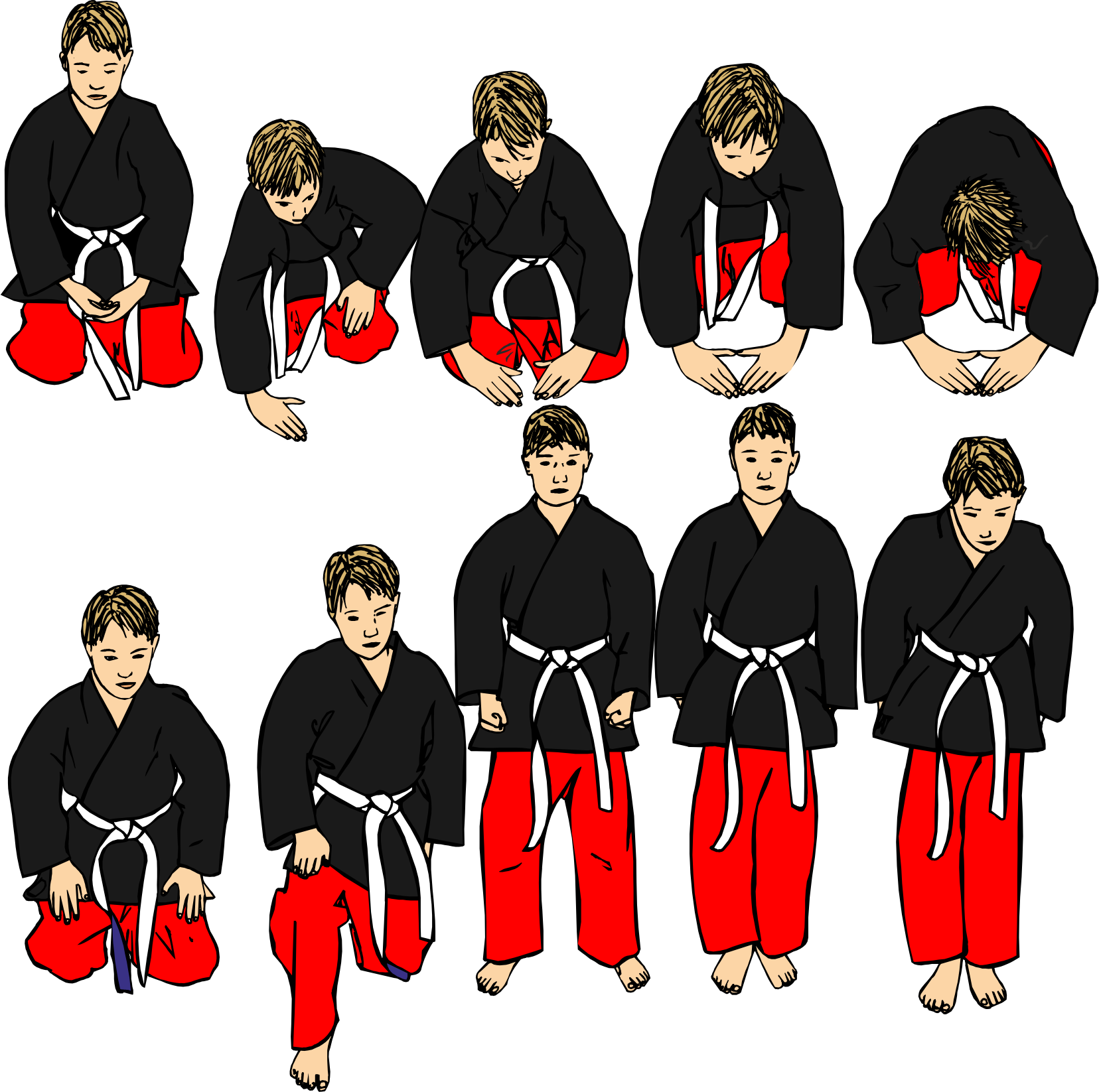
Greeting with closed fists conveys a different intention than greeting with open hands. Closed fists may emphasize strength or competitive readiness — sometimes seen in tournaments. In a learning environment before a teacher, however, this may be considered less appropriate.
In seated posture (seiza), variations also exist.Greeting with fists may occur among equals.Greeting with open hands toward a teacher expresses openness and trust.
When both hands are placed simultaneously and the head is lowered deeply — without looking forward — it symbolizes complete trust. When full surrender is not appropriate, the head remains slightly raised, maintaining awareness.
Even the order of the hands carries meaning.Placing the left hand first and then the right leaves the dominant hand free — historically allowing one to draw a weapon. This represents a more alert posture. Placing both hands simultaneously indicates greater openness.
An experienced teacher recognizes these nuances — not to judge, but to understand the practitioner’s awareness of tradition and context.
Within NC5: detail without understanding is empty, but understanding without detail is incomplete.
Position, Rank, and Vigilance
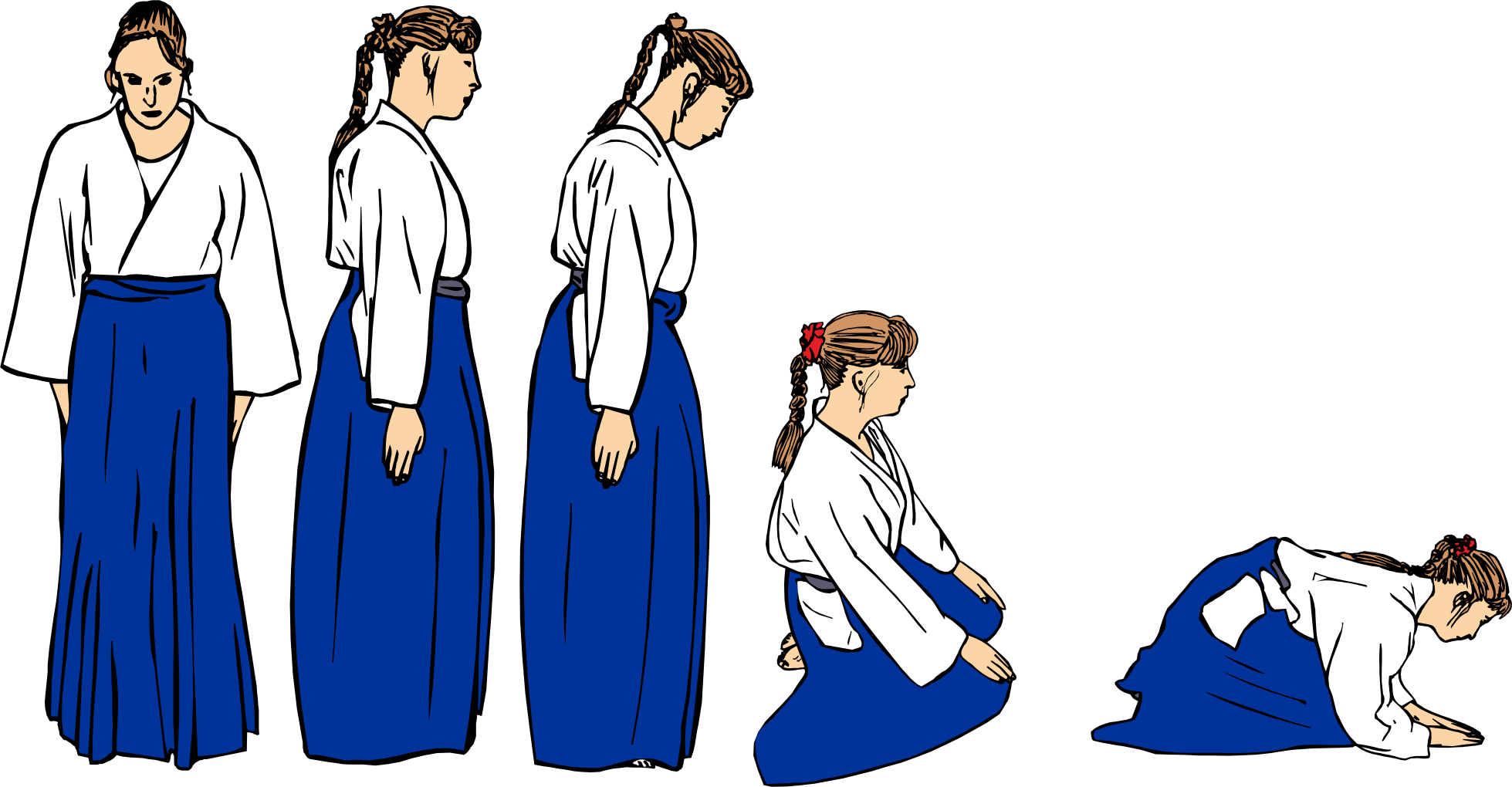
Traditional dojo etiquette also includes positioning.
The practitioner of lower rank sits or stands to the left of someone of higher rank. When several teachers sit before a group, this hierarchy becomes visible: the head instructor (sensei) sits on the right, with senior students (senpai) to his left, continuing in order of experience.
This positioning is not arbitrary. Its origin lies in historical vigilance. In Japan, the sword was worn on the left side. By positioning the senior practitioner to the right and the junior to the left, the weapon remained between them.
The idea was simple: the experienced warrior remained protected and alert.Standing or sitting on the “wrong” side was therefore considered disrespectful.
This principle can also be found in broader Japanese customs. Historically, a woman walked to the left of a man — connected to the same symbolism of protection and sword positioning. While modern interpretations differ, the original concept was rooted in vigilance and structure. Within the dojo, this is not about dominance, but about order and awareness of role. One’s position reflects experience, responsibility, and function within the group.
The Inner Greeting
The most refined greeting often takes place in silence.
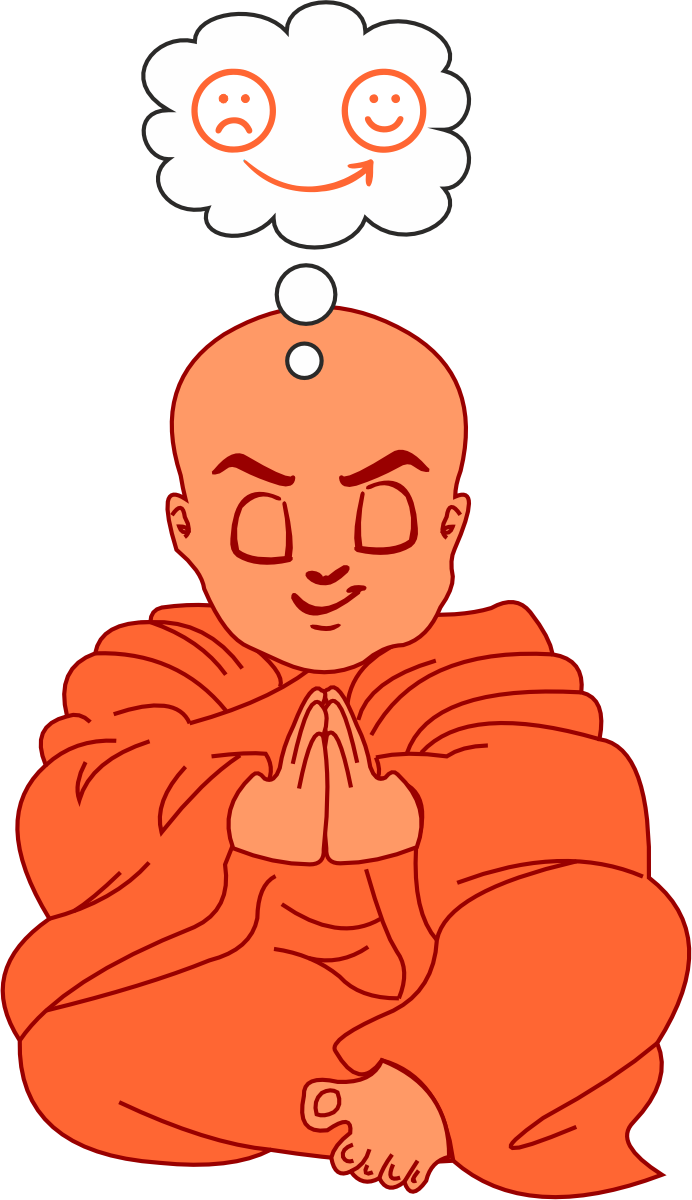
At the beginning and end of training, mokuso may be practiced — a brief meditation. It is a greeting to oneself: a moment to gather body and mind before exertion, and to express gratitude afterward.
The body is not taken for granted, but regarded as a training partner. By bringing attention to breathing and physical sensation, awareness of effort and recovery develops.
Some teachers encourage practitioners to consciously thank even the most strained or painful parts of the body for their effort, visualizing something positive as a gesture of appreciation. This strengthens the connection between discipline and care.
← Back to the NC5 Circles
Explore Further → Moral story: The Bow