4ème combinaison – esquive et contre
Training combinations develops timing, control, and awareness.
Training Principles
Further explanation and background are provided at the bottom of the page.
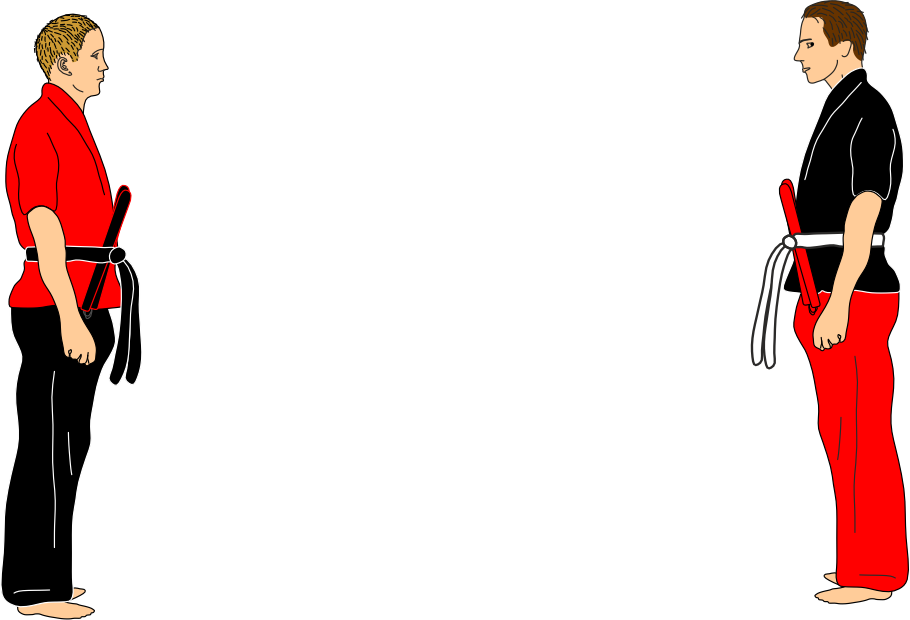
Presentation of the fourth Combination
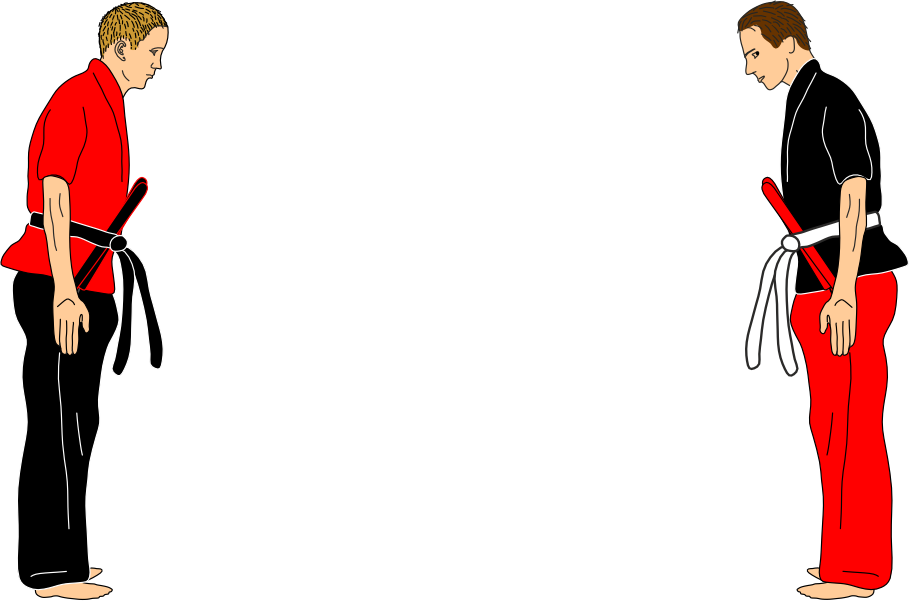
Salute
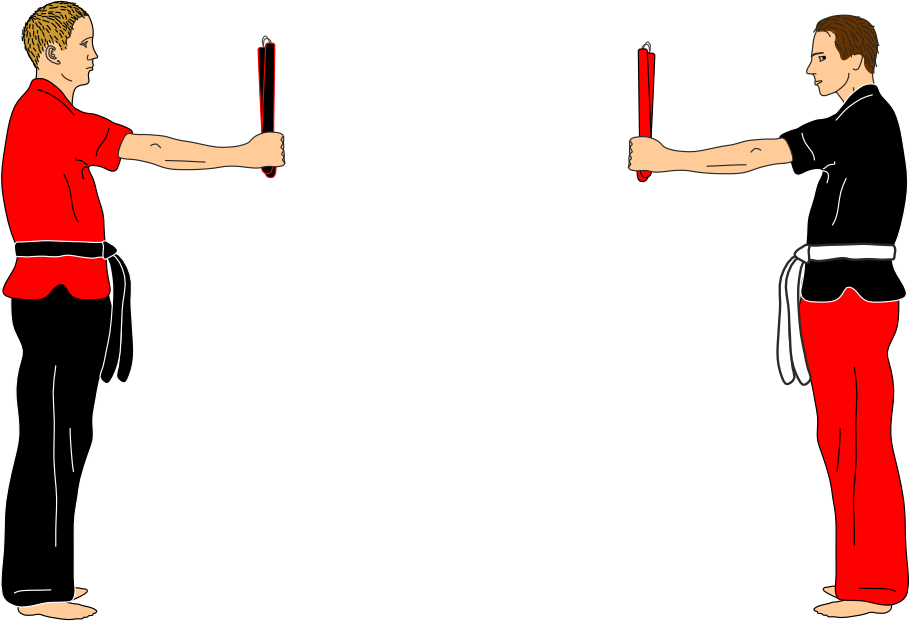
Presentation of the nunchaku
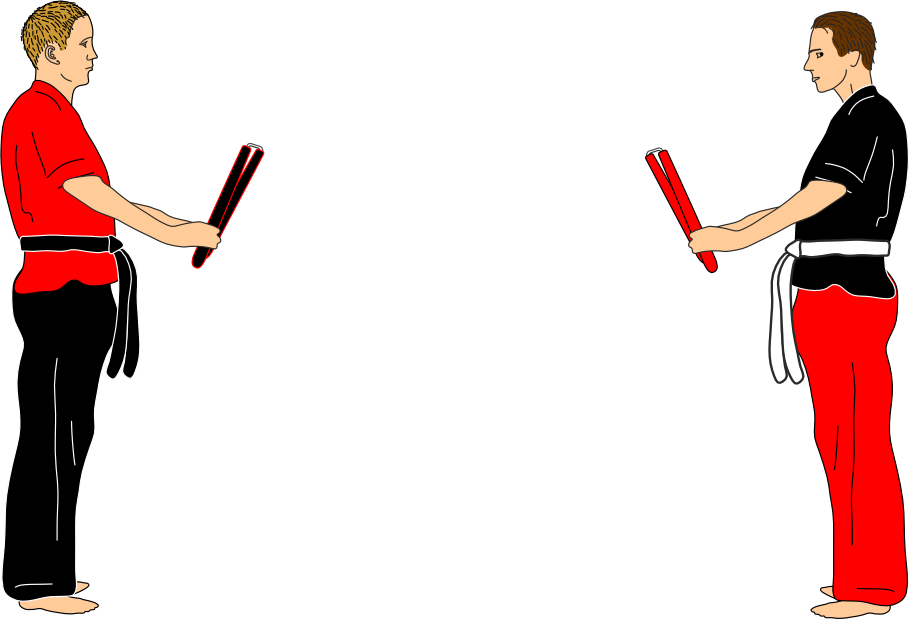
Announcement: Fourth Combination – attaquant
Announcement: Fourth Combination – défenseur
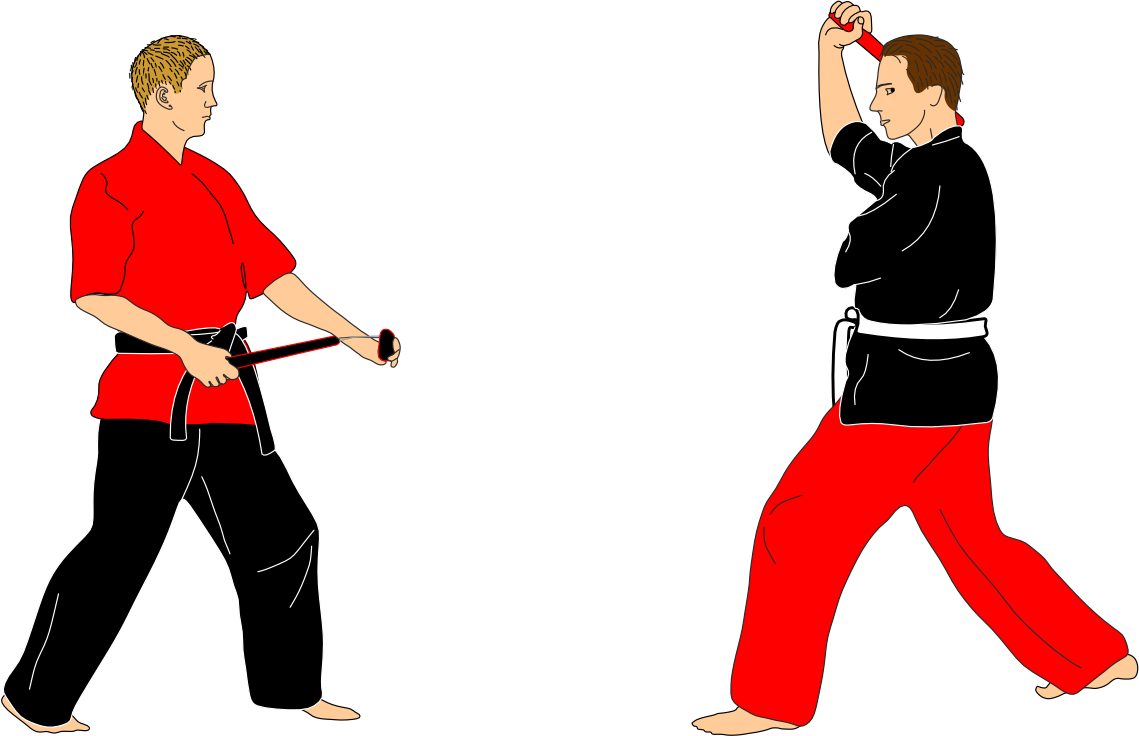
Take position
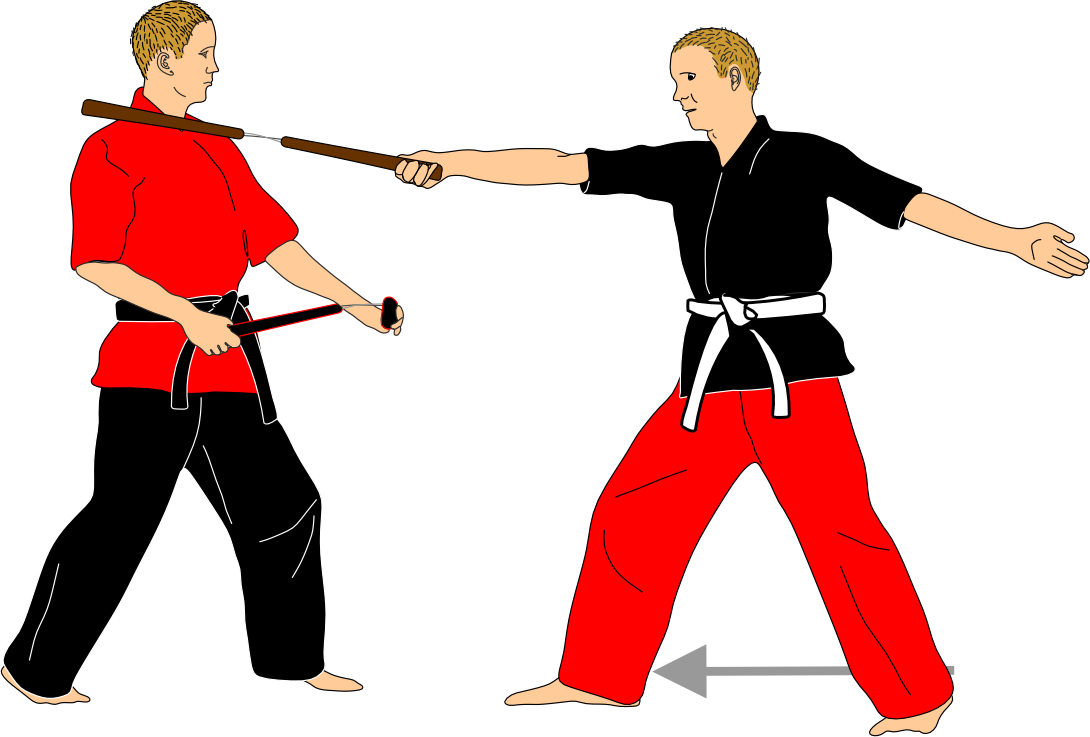
Distance – vertical strike
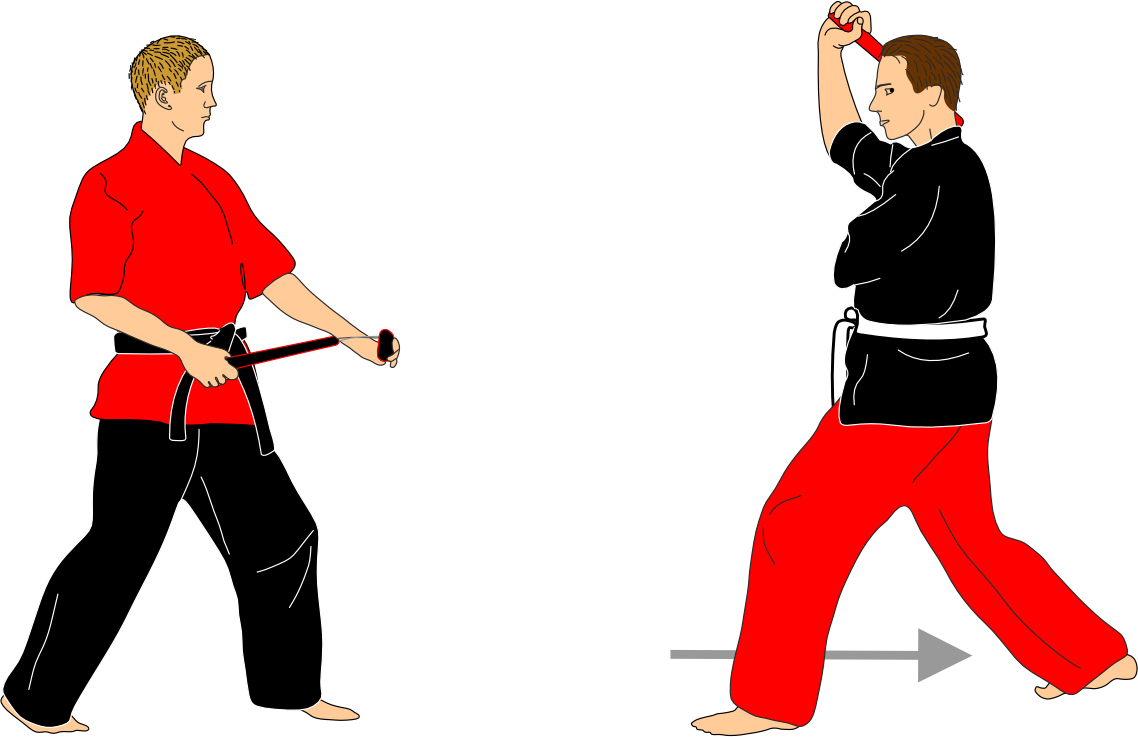
Recovery
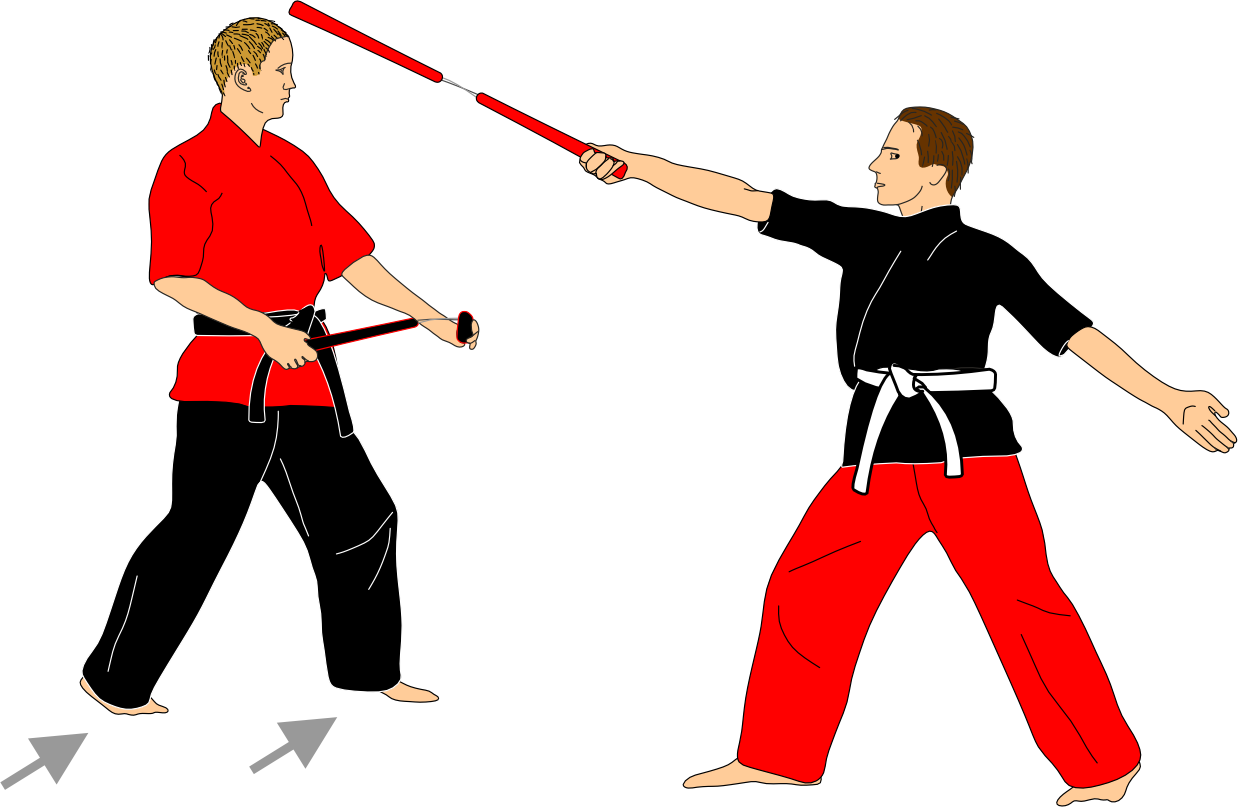
Evasion - Vertical strike
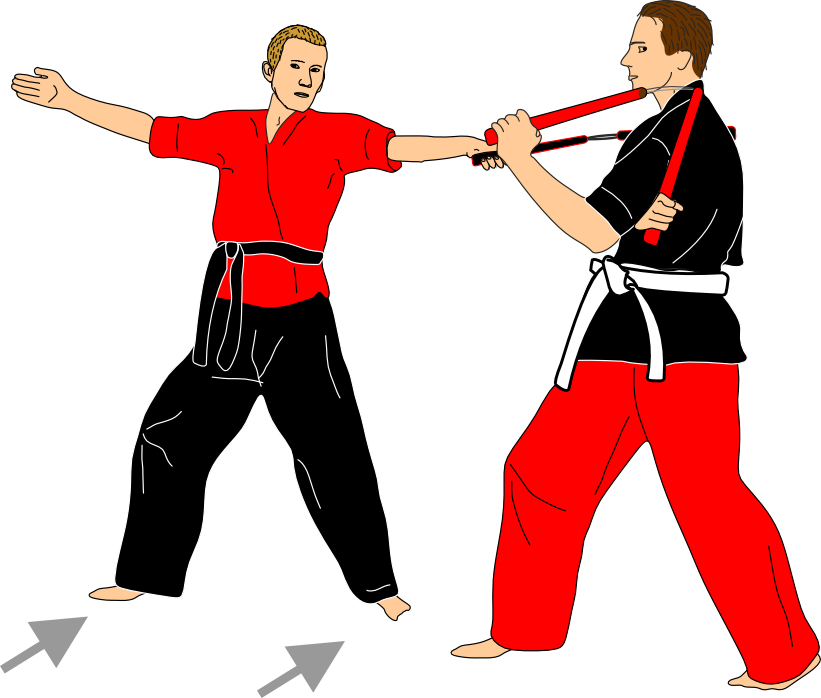
Counter strike
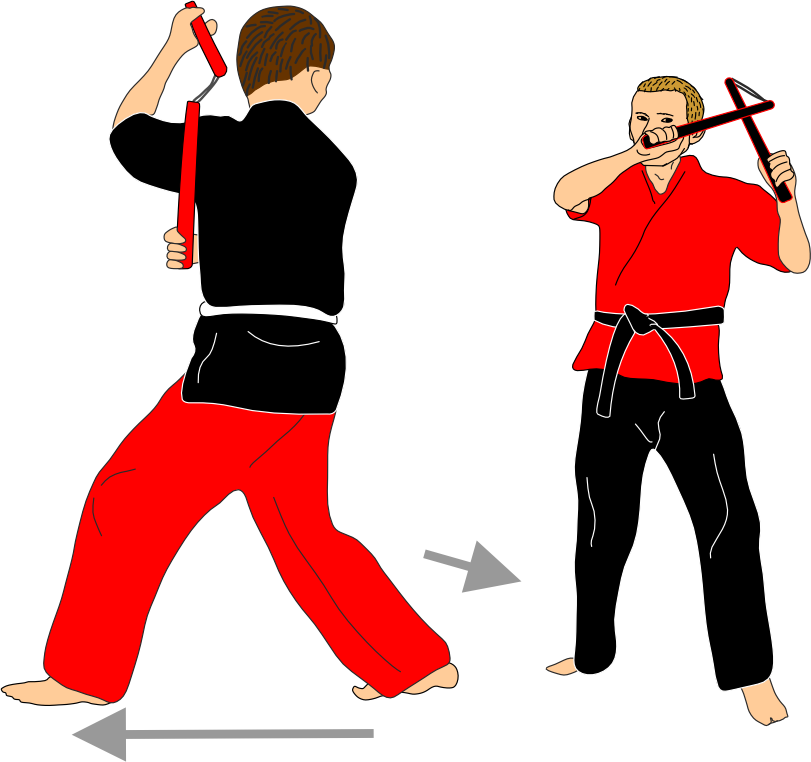
Movement
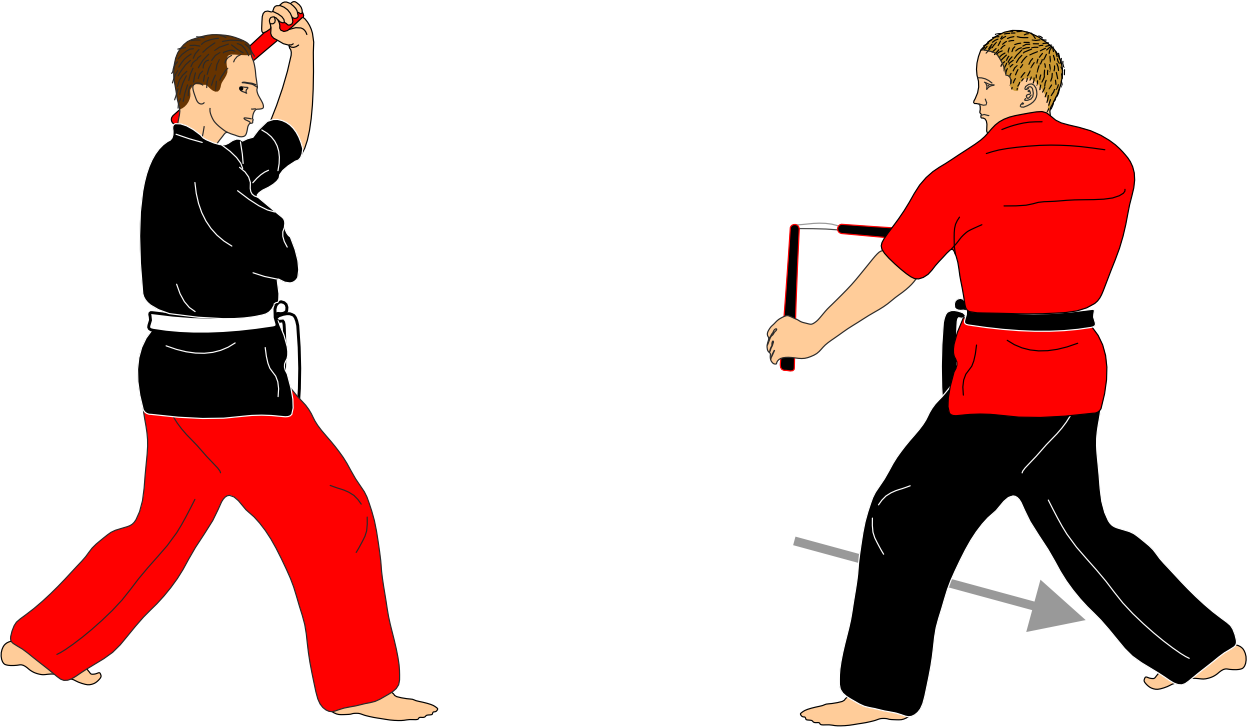
Position
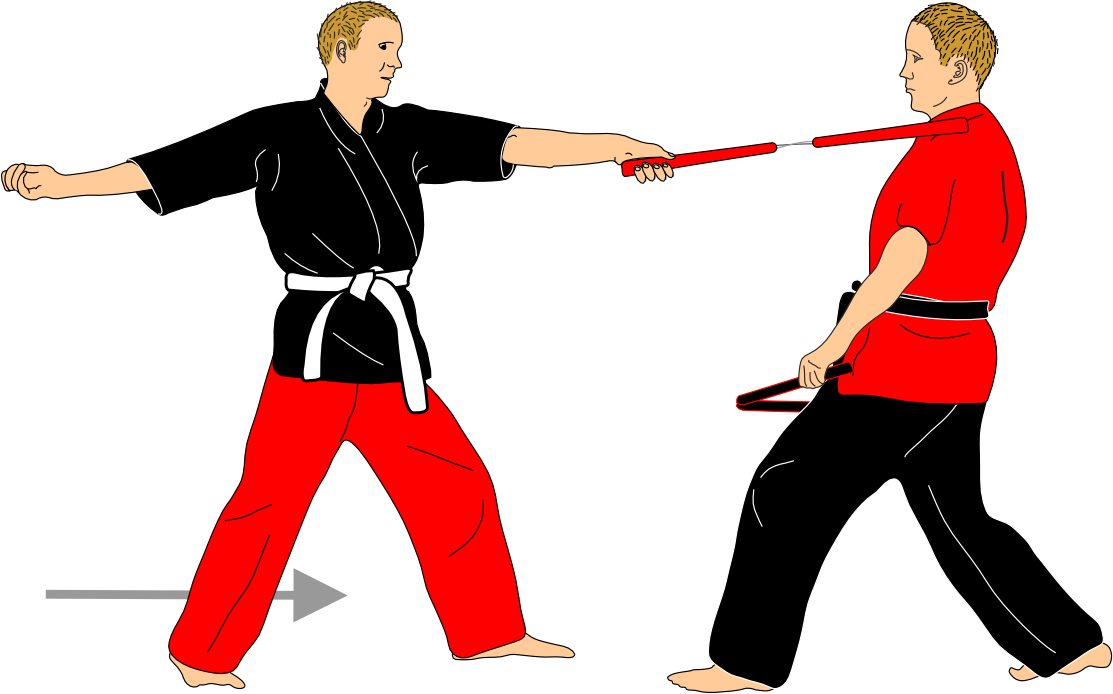
Distance – vertical strike
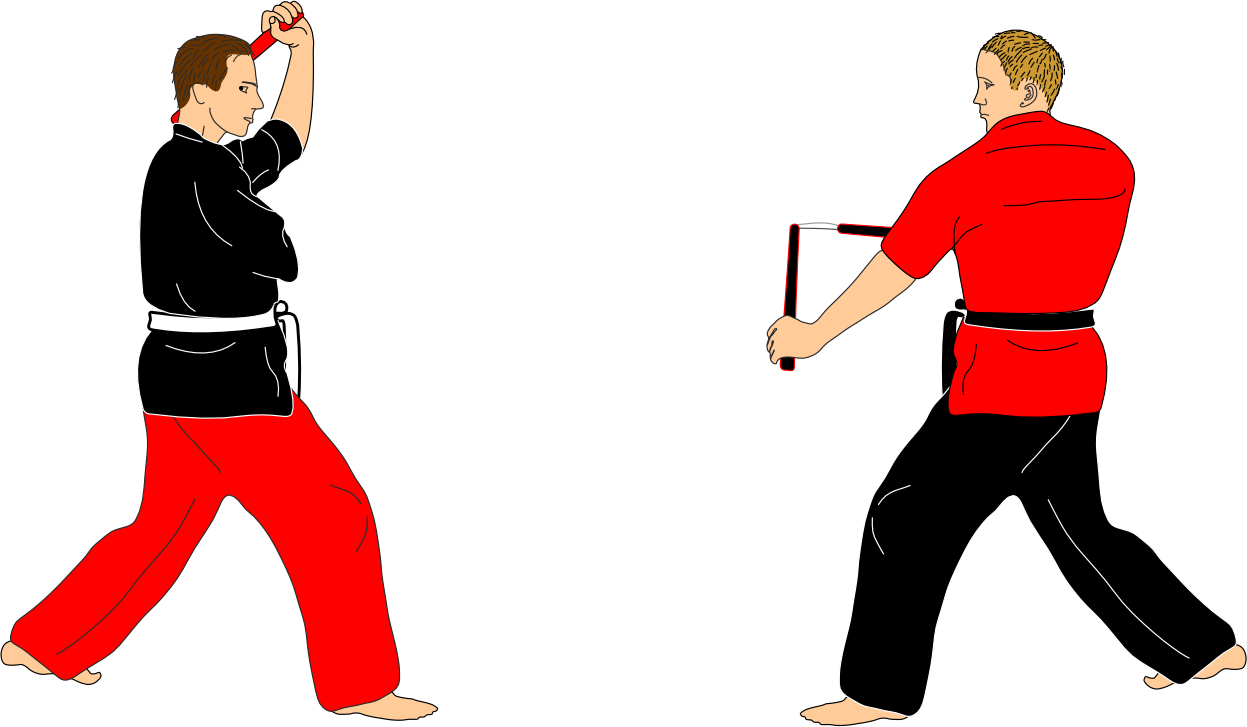
Recovery
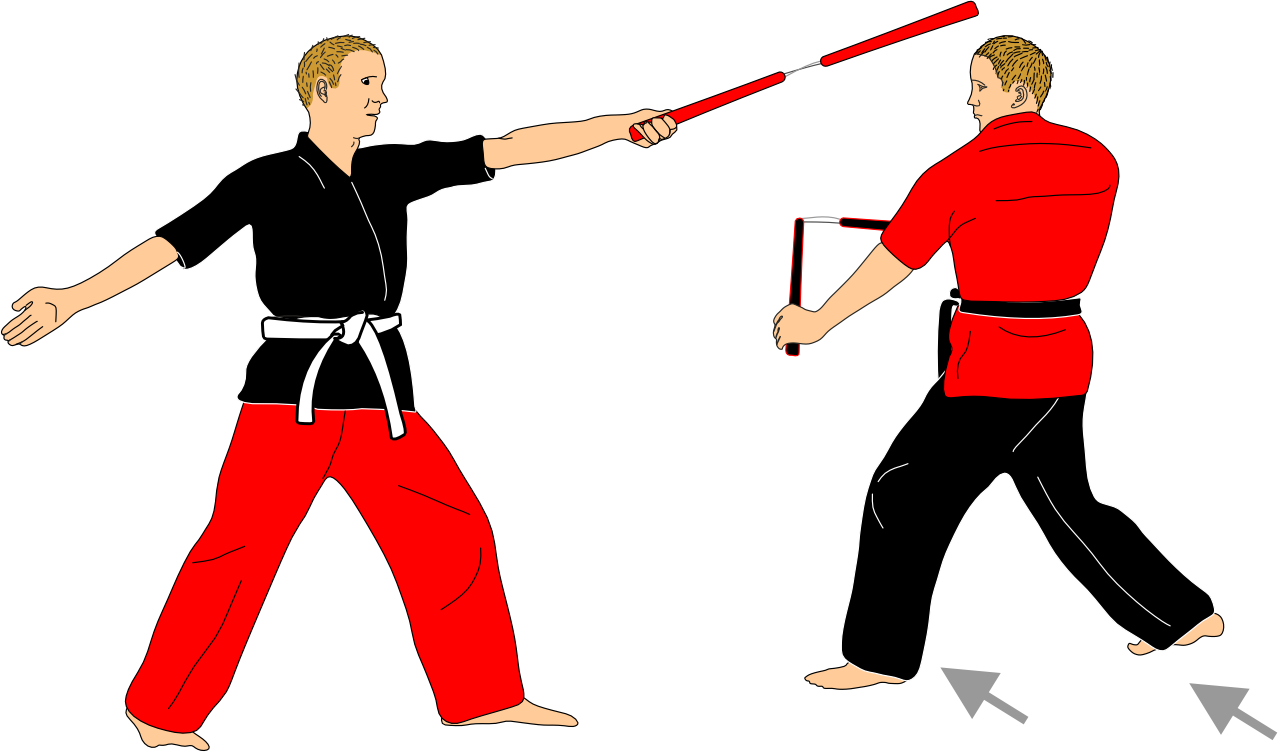
Evasion - Vertical strike
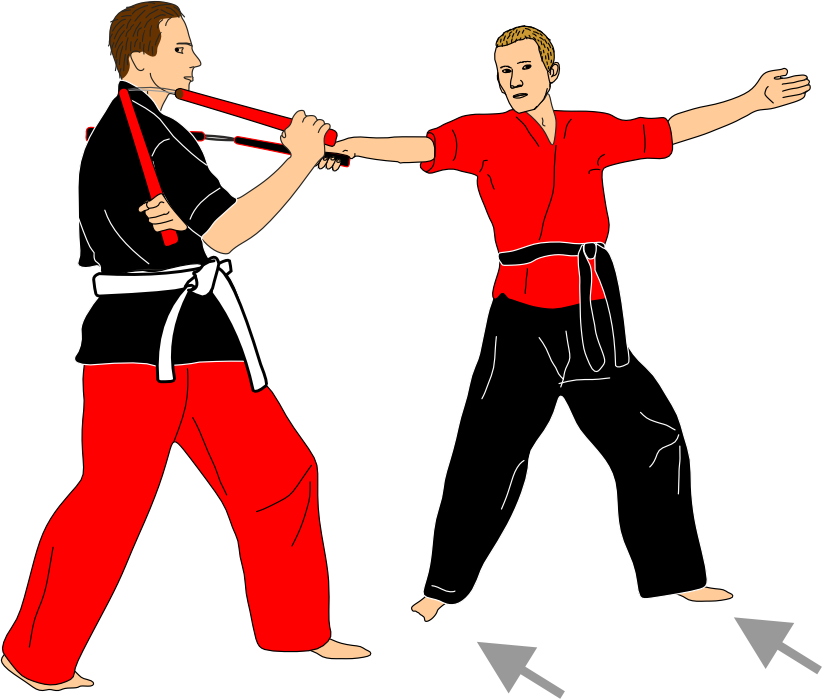
Counter strike
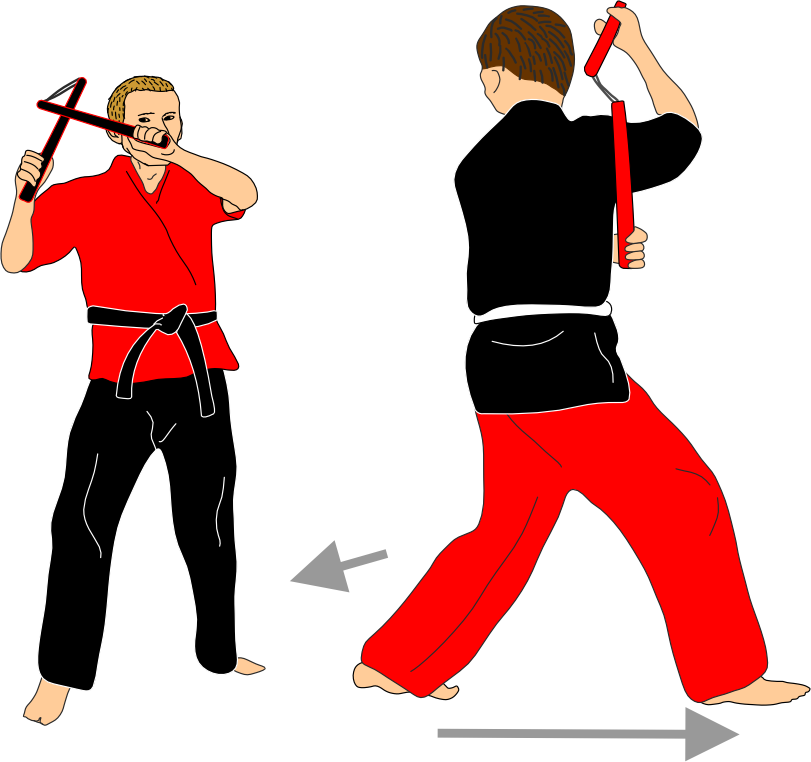
Movement
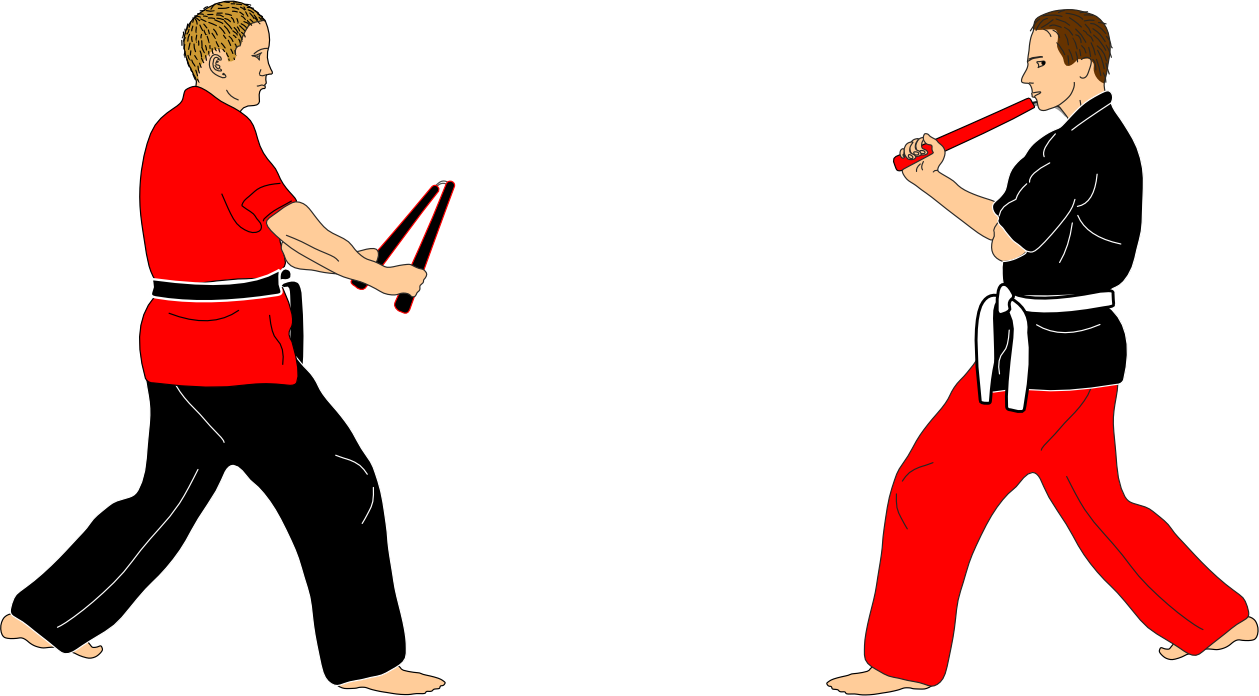
Position
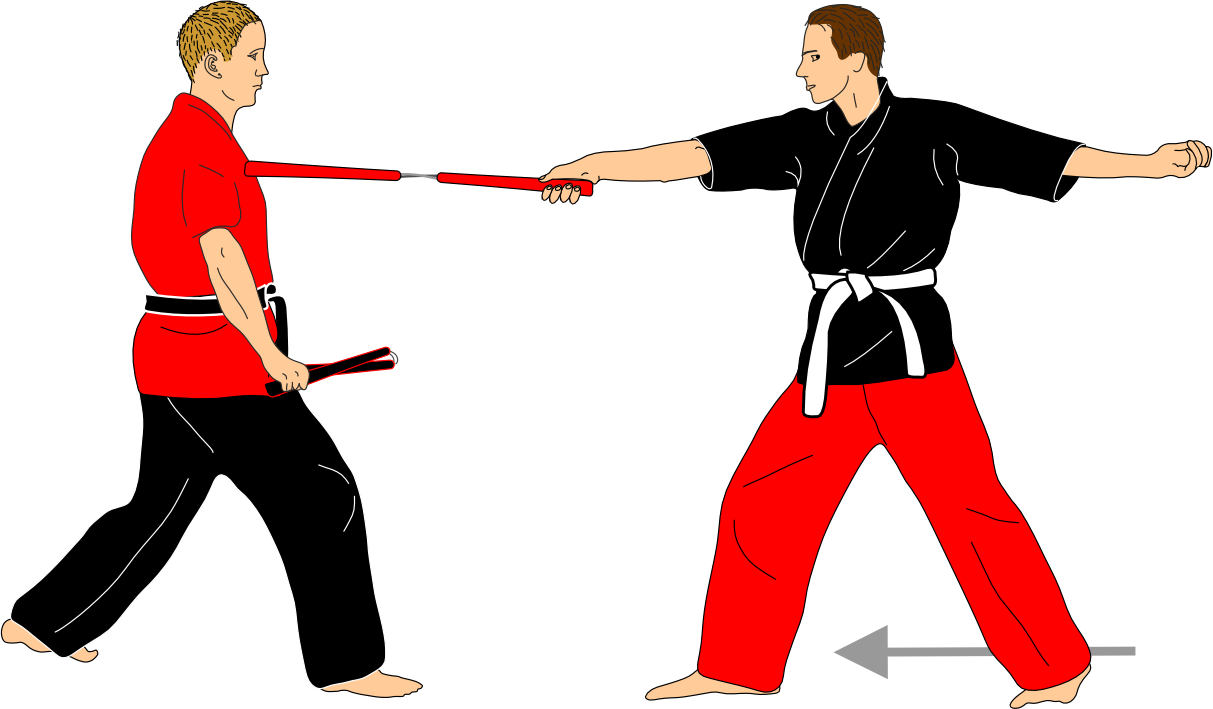
Distance – thrust strike
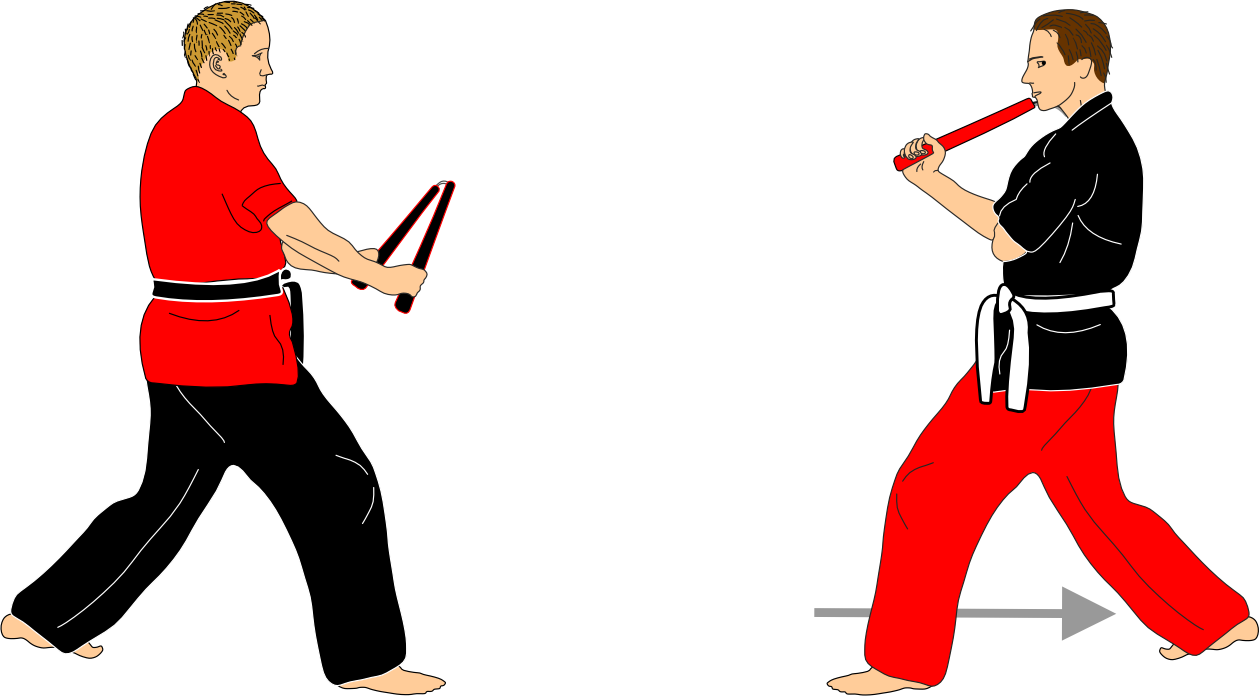
Recovery
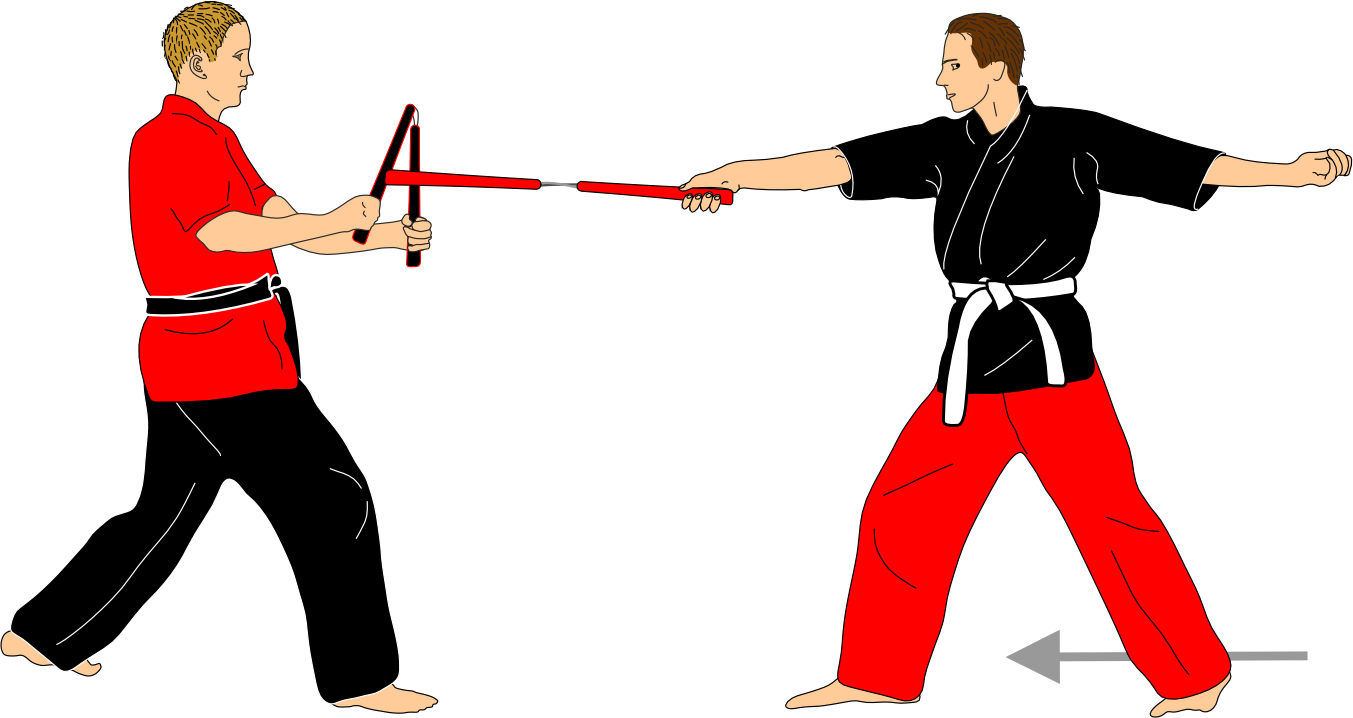
Evasion - Thrust strike
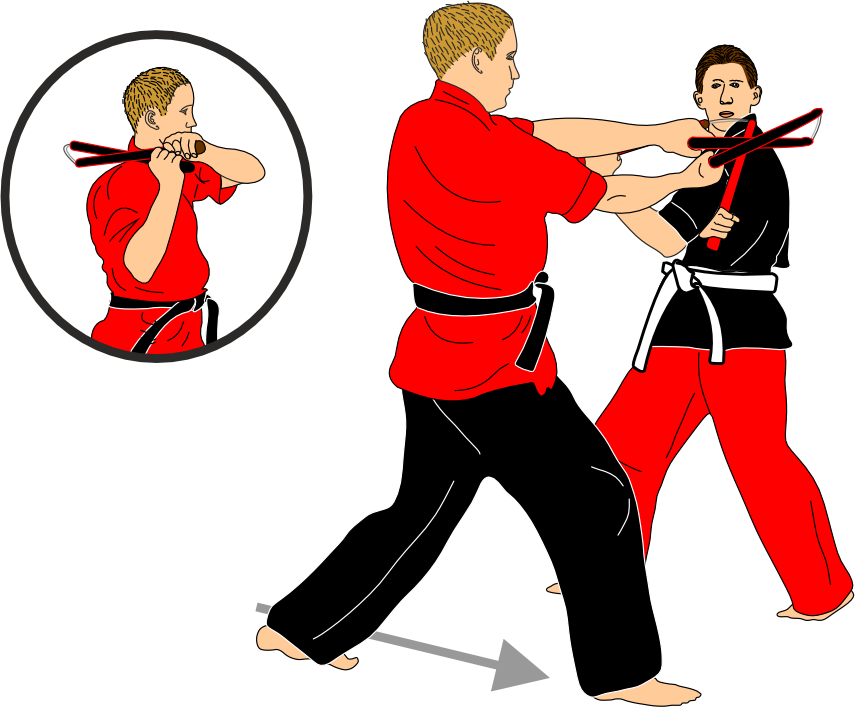
Strike preparation - Counter strike
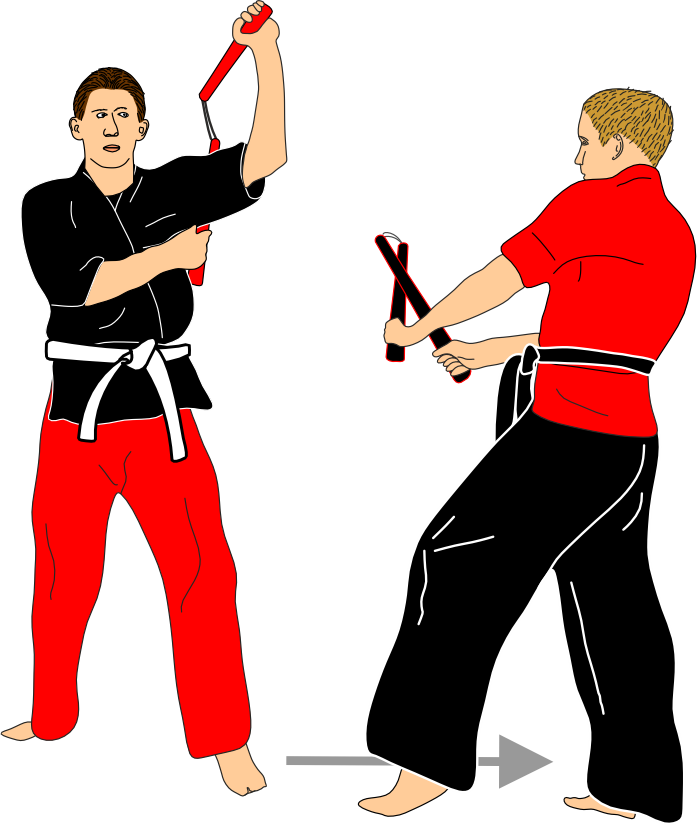
Movement
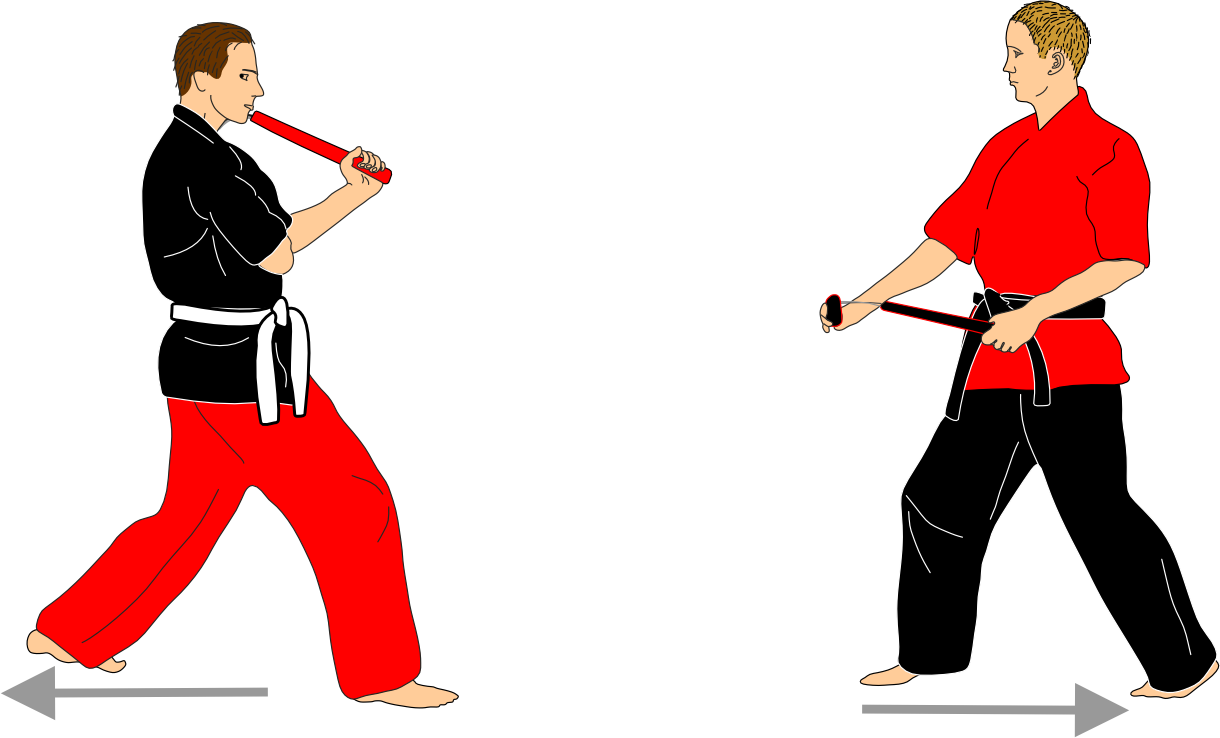
Position
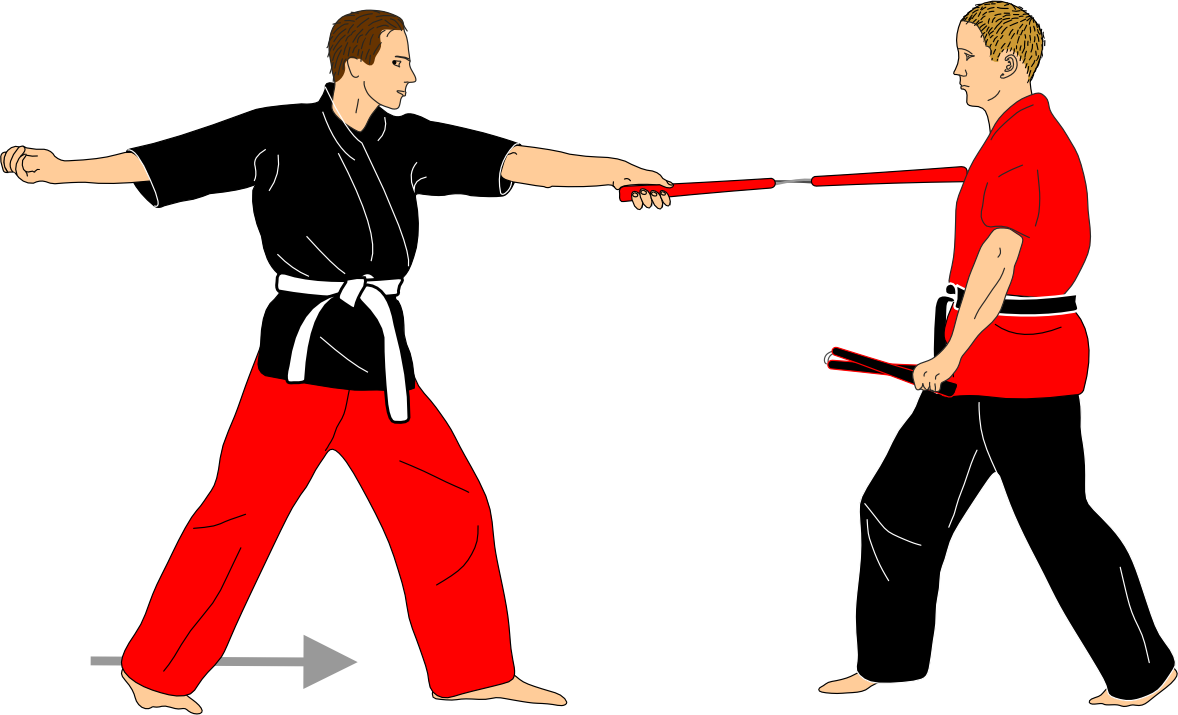
Distance – thrust strike
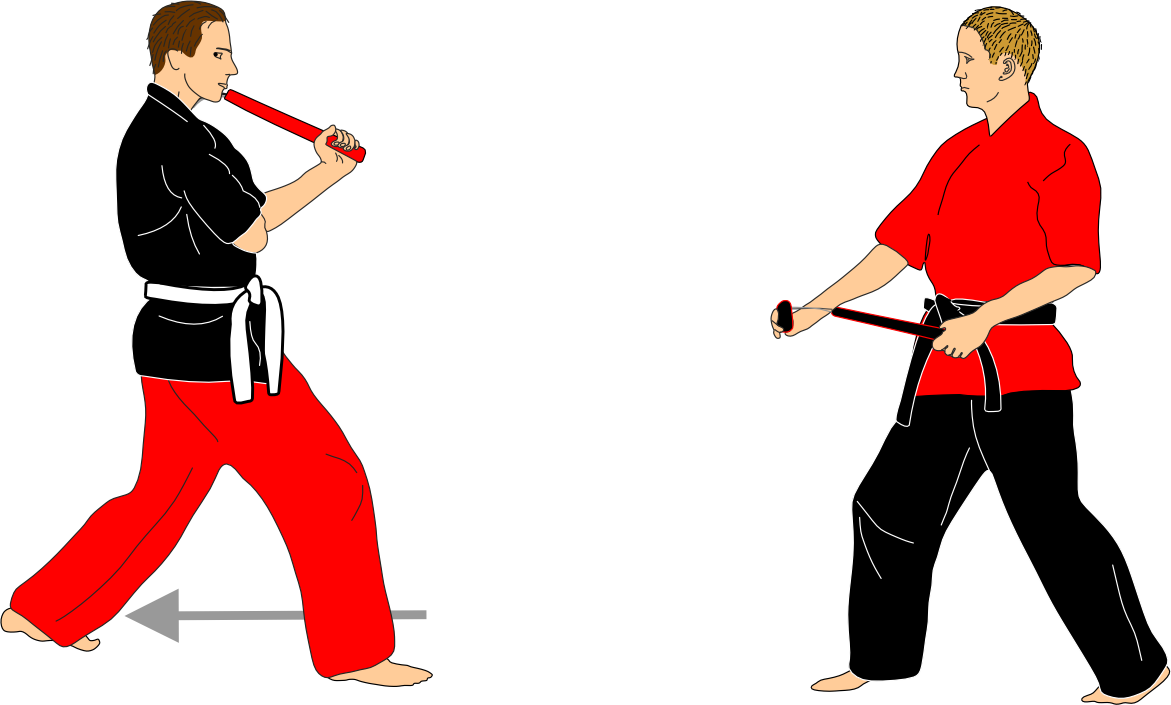
Recovery
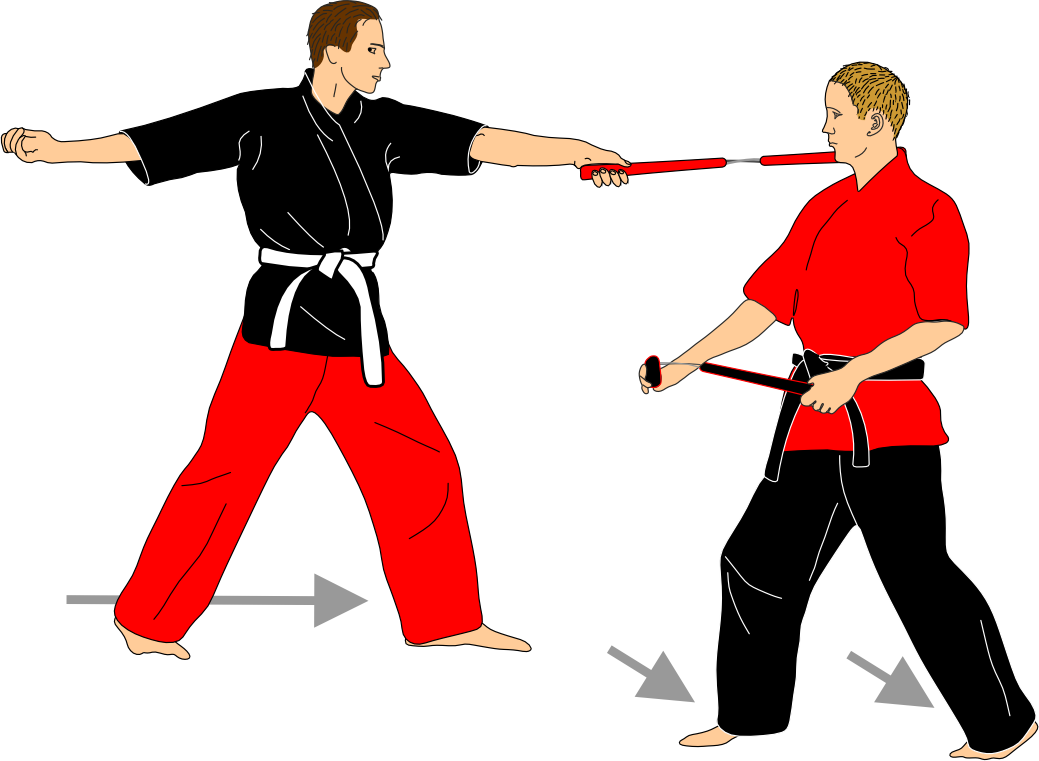
Evasion - Thrust strike
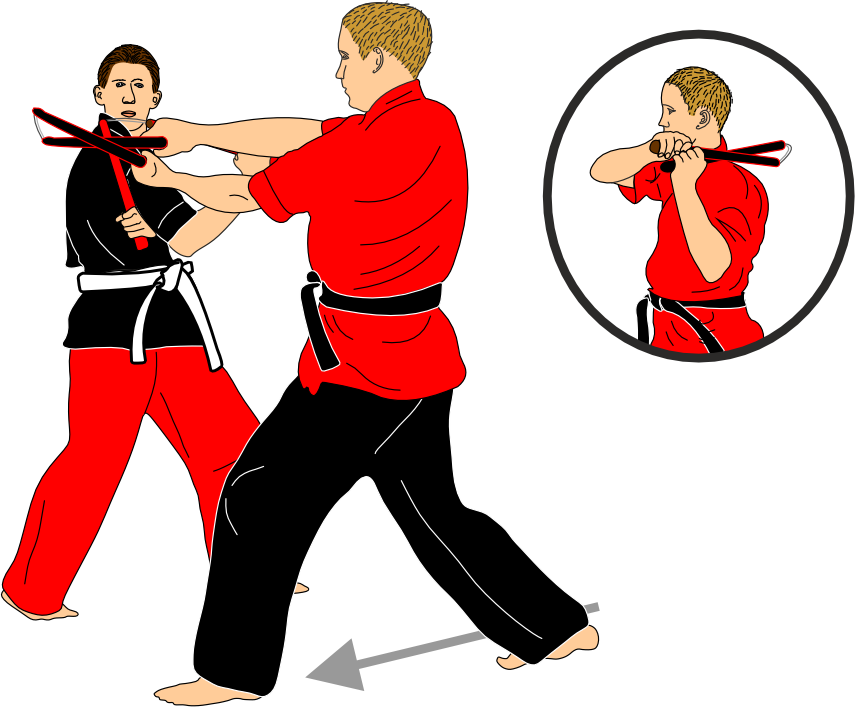
Strike preparation - Counter strike
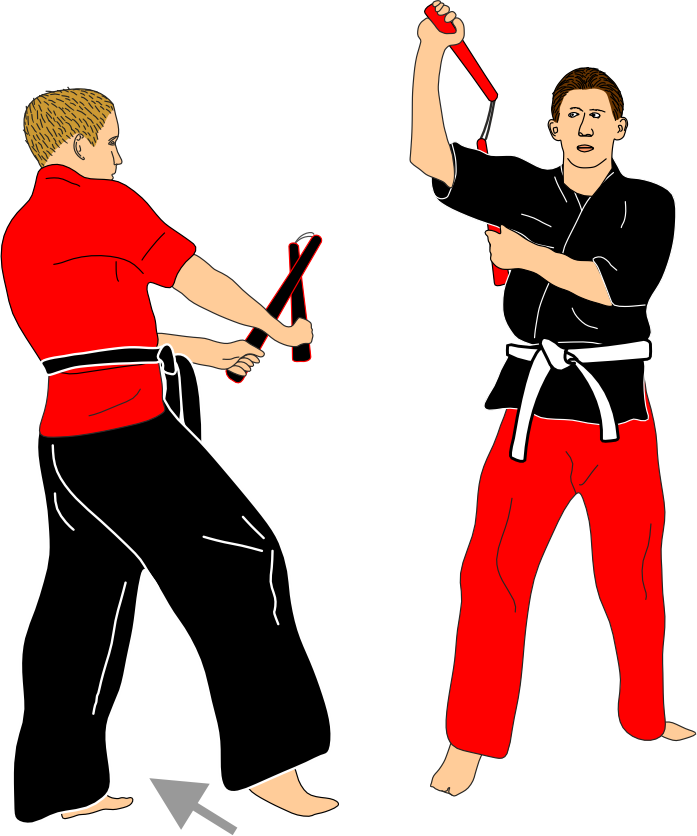
Movement
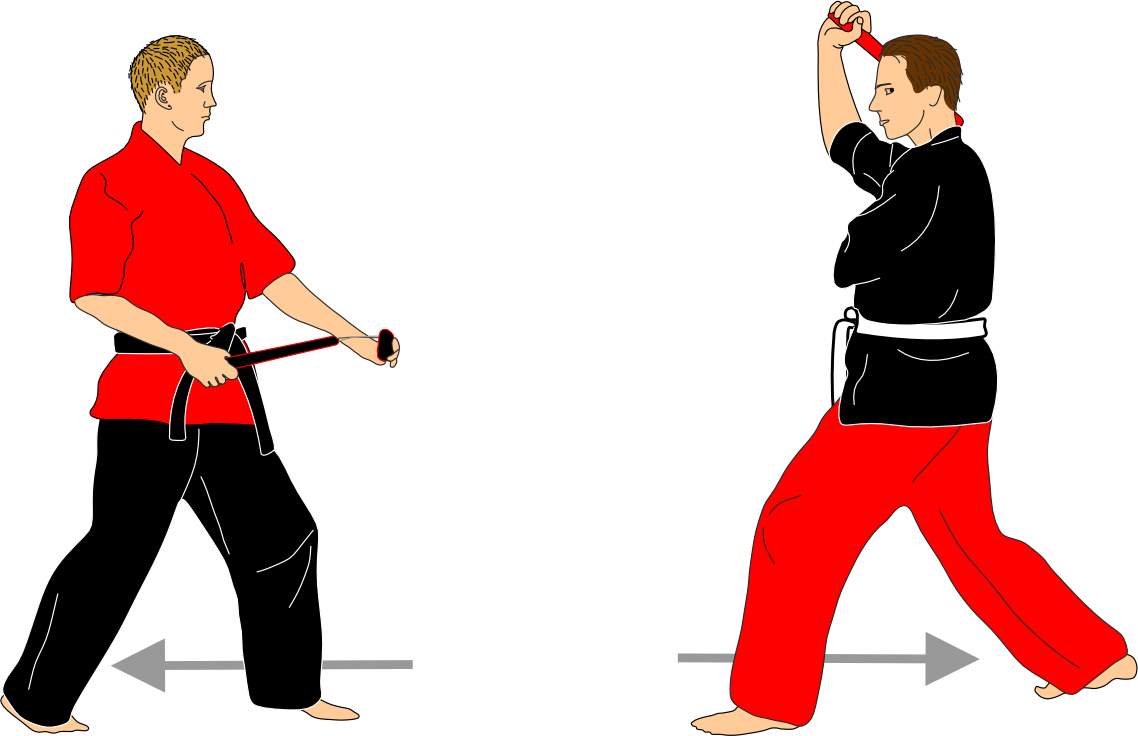
Position
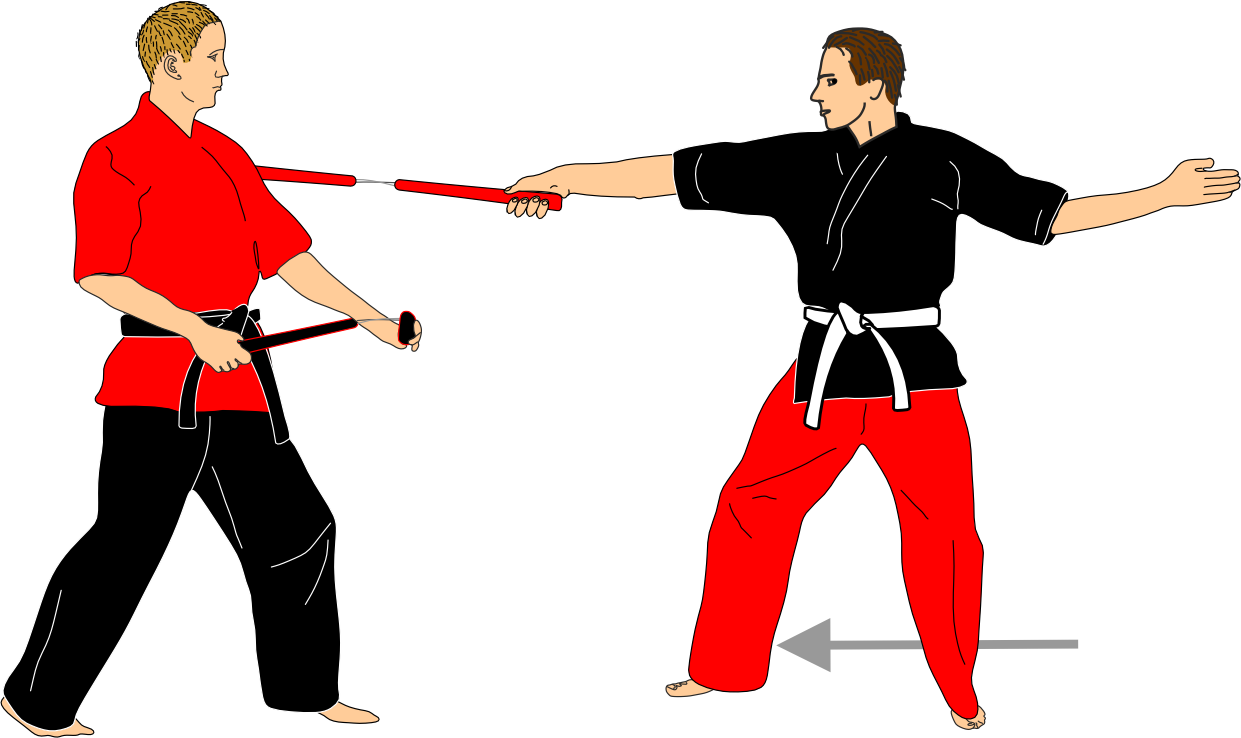
Distance – horizontal strike
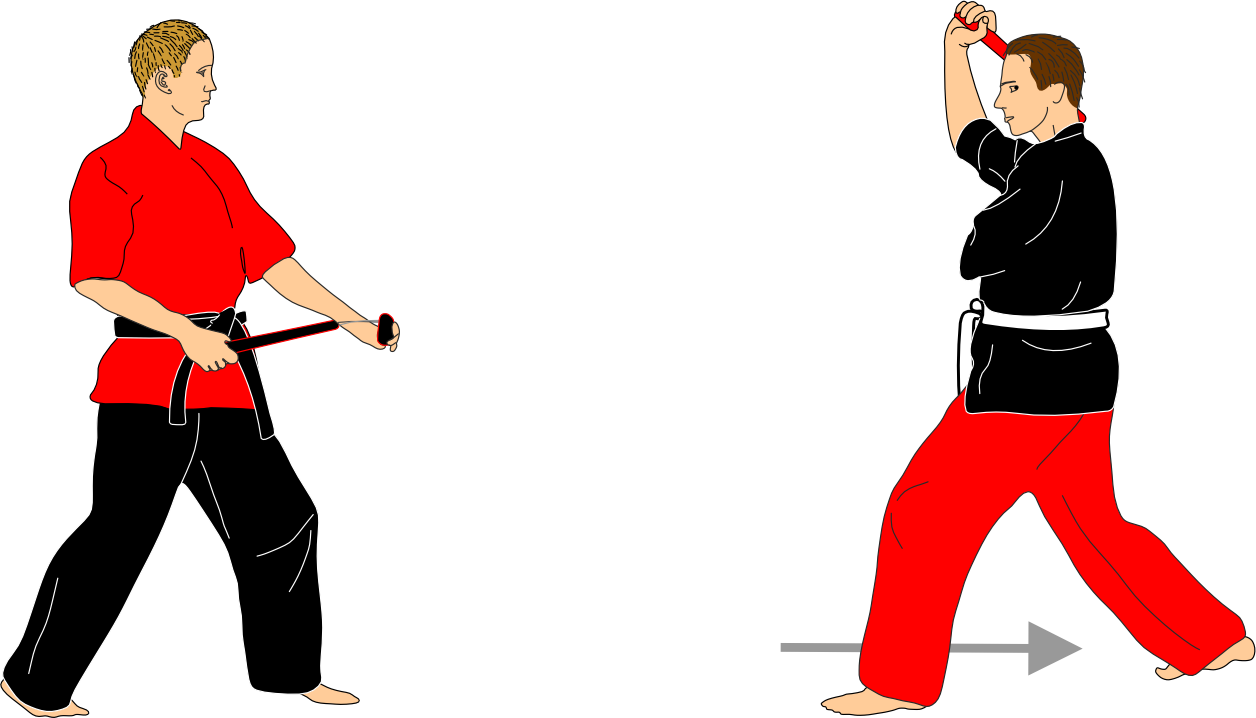
Recovery
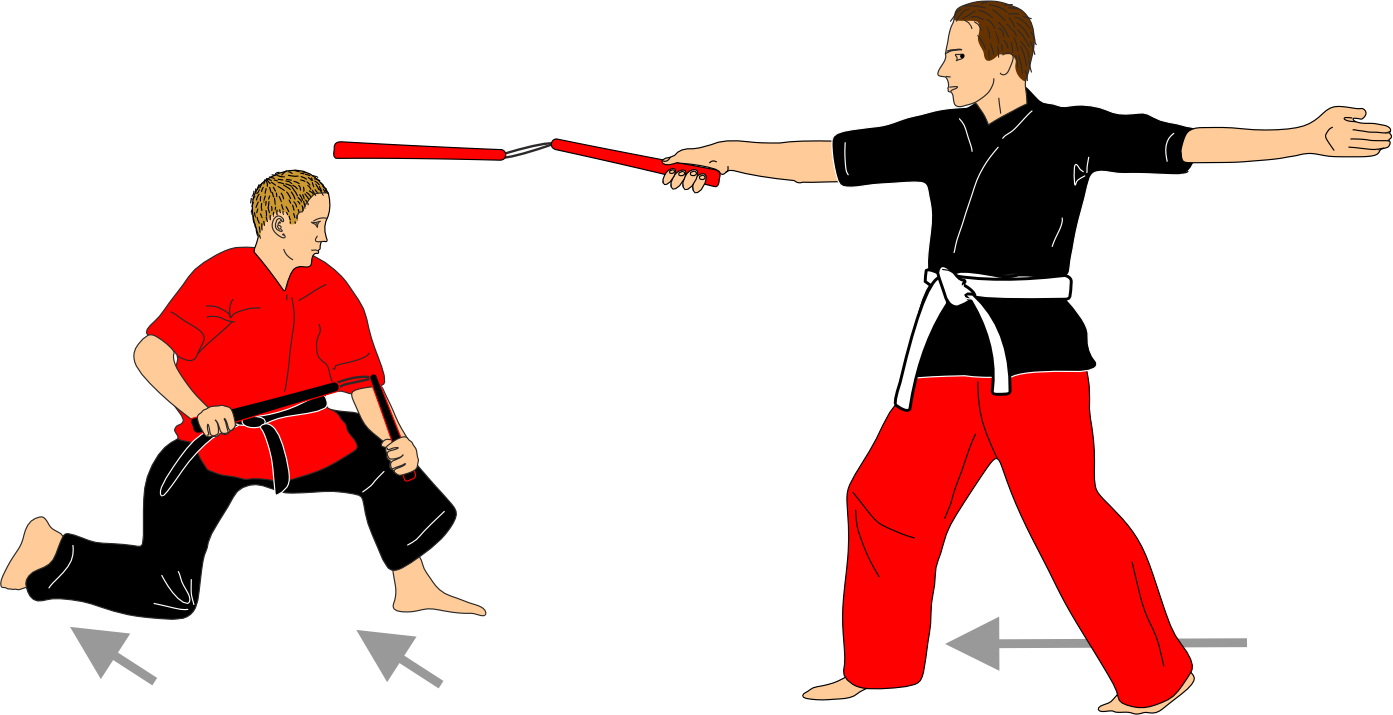
Evasion - Horizontal strike
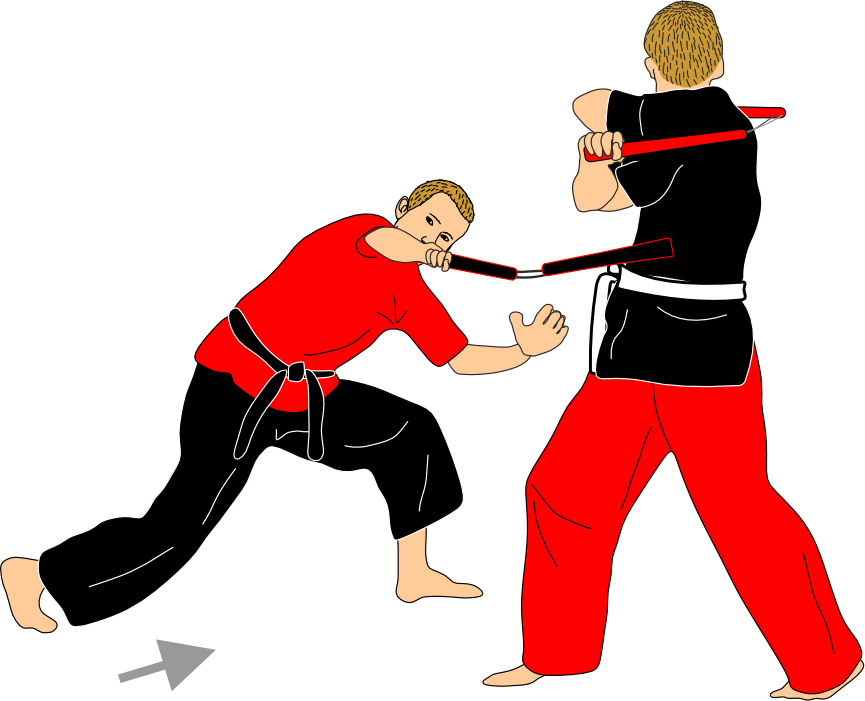
Movement - Counter strike
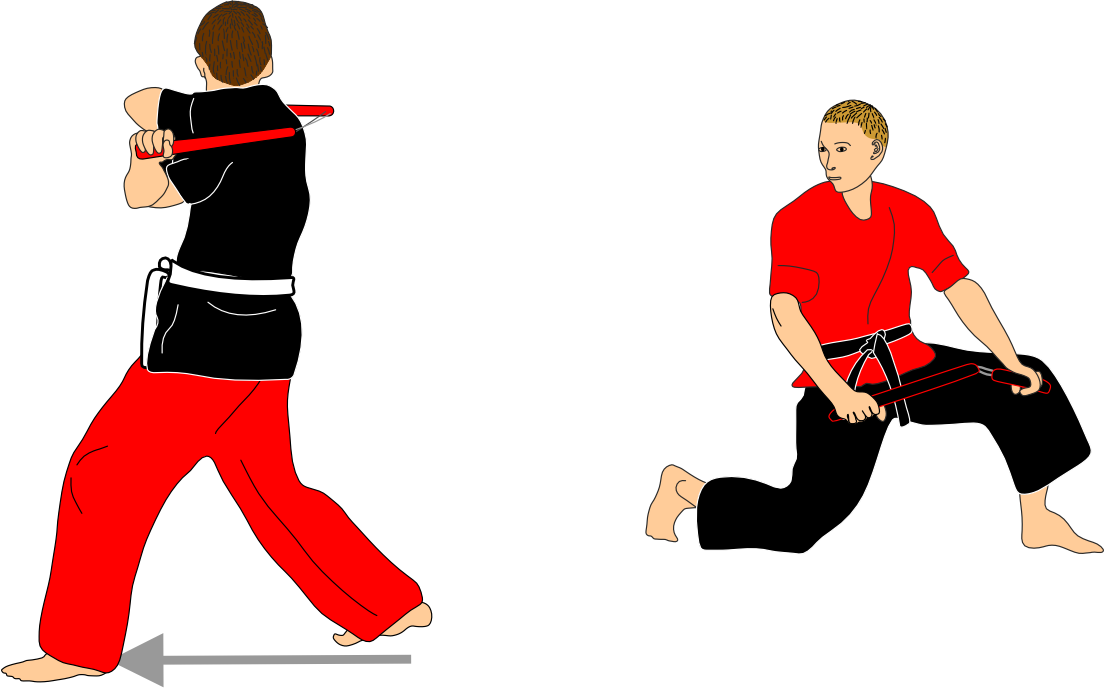
Movement
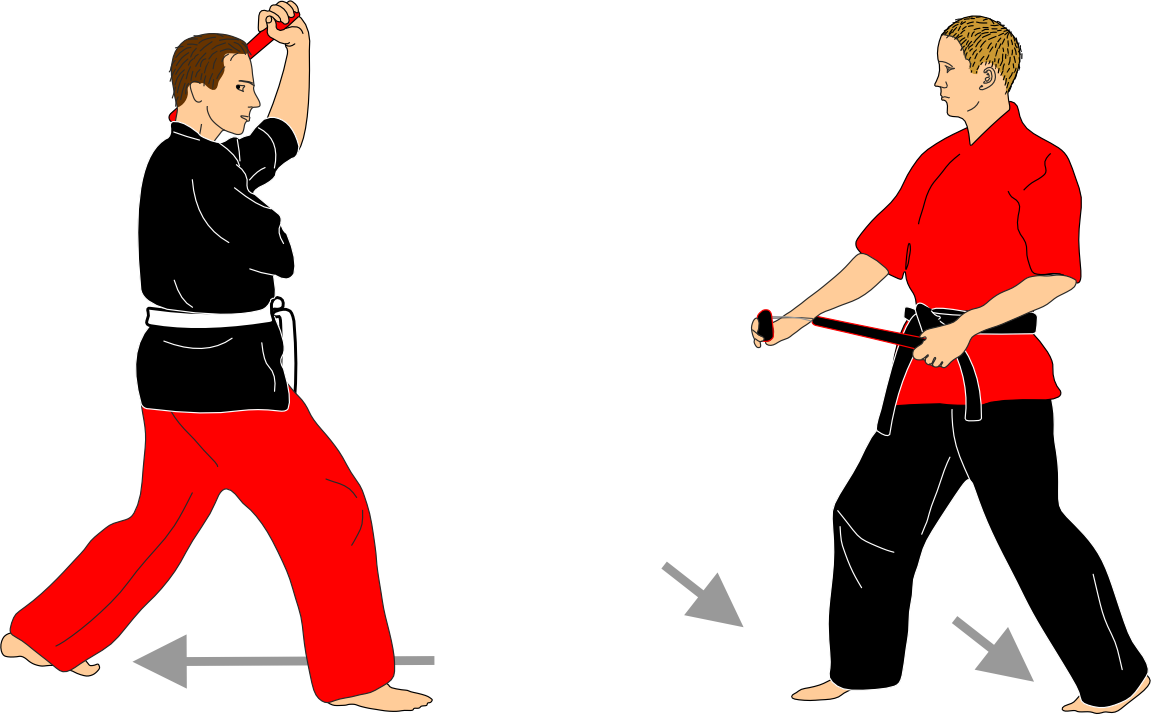
Position
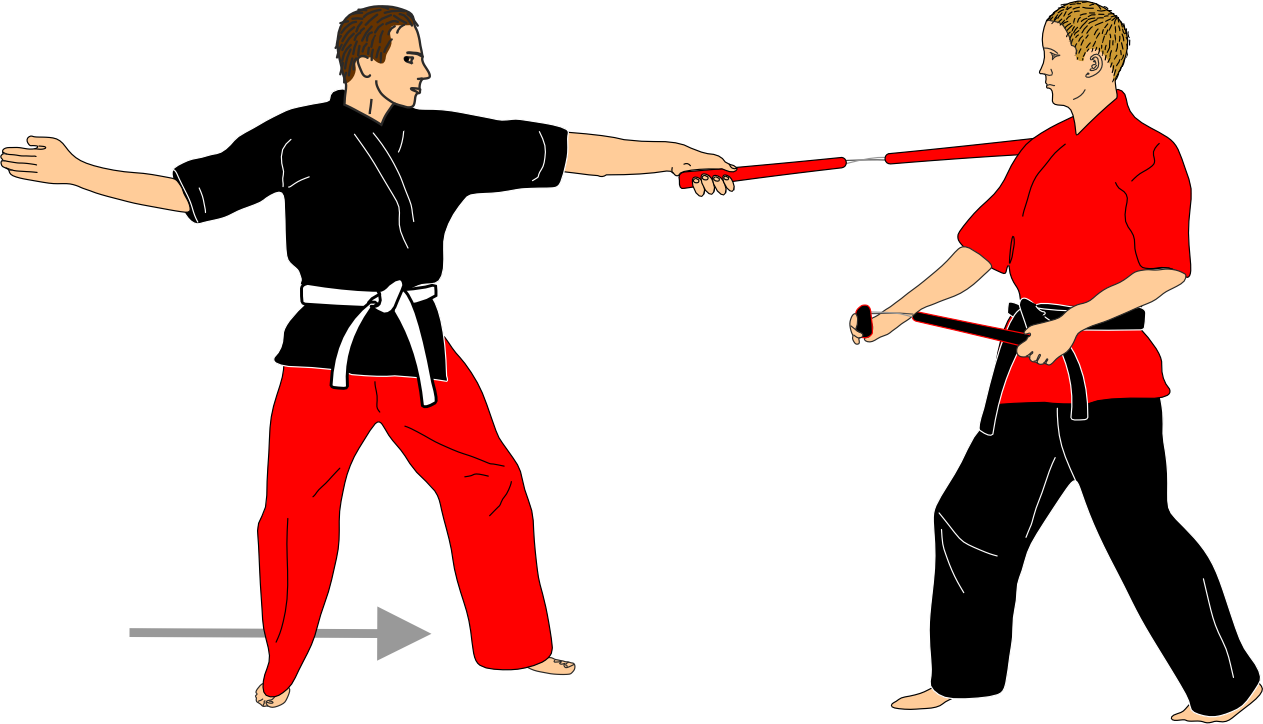
Distance – horizontal strike
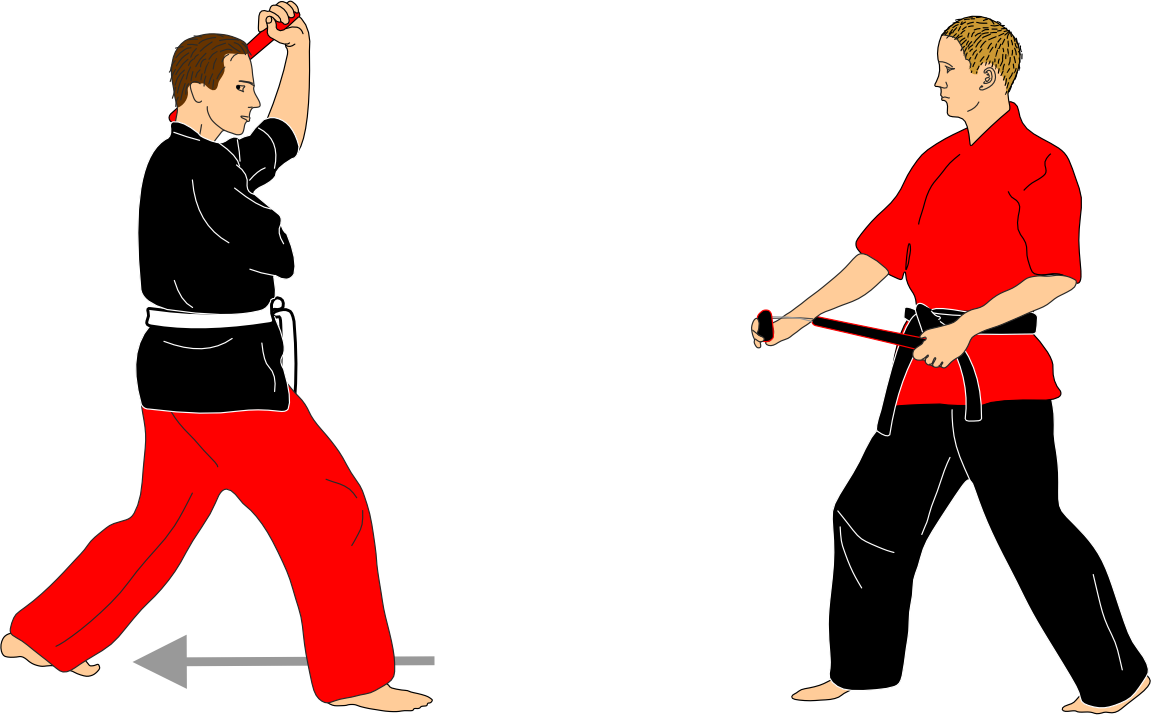
Recovery
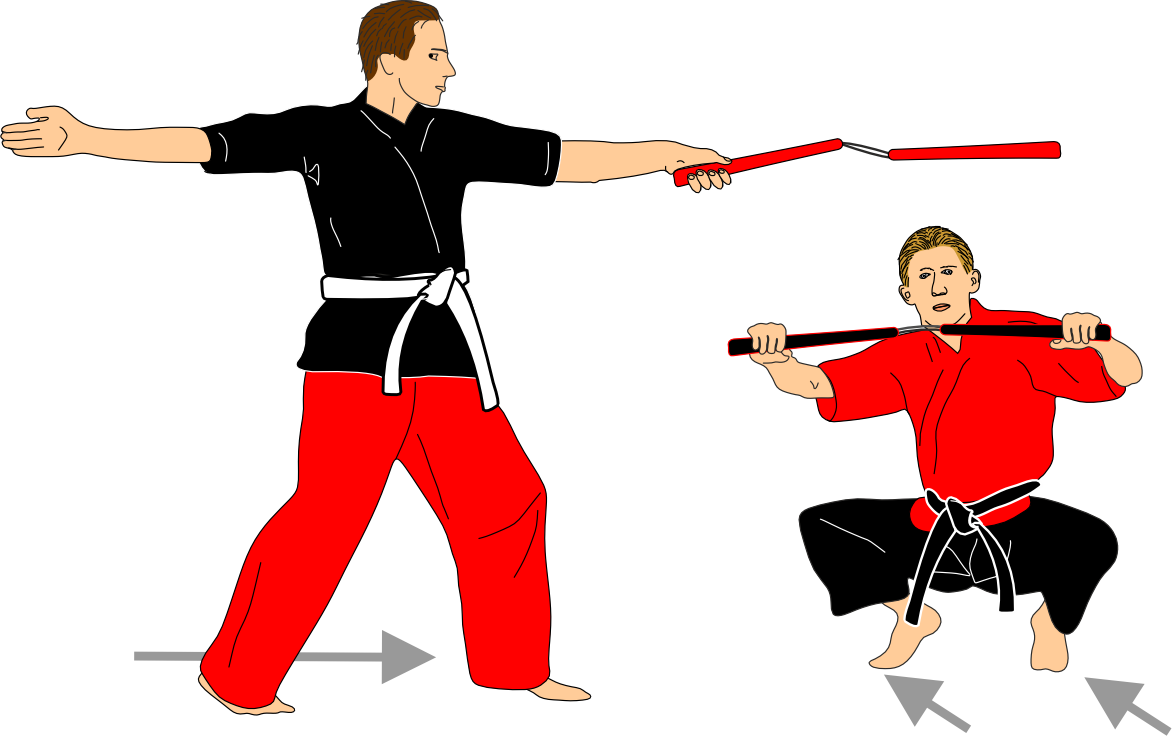
Evasion - Horizontal strike
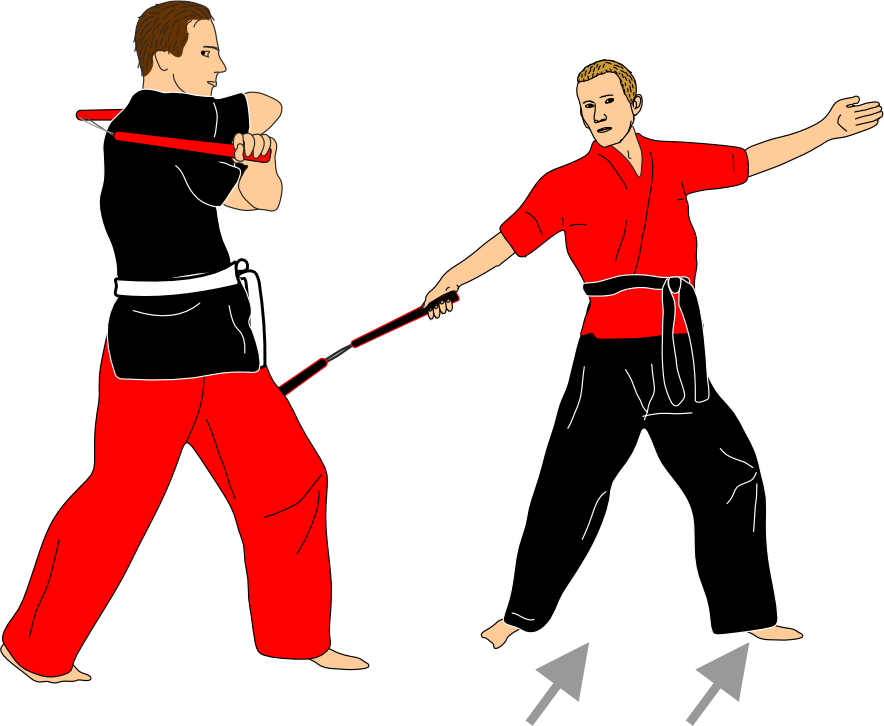
Counter strike
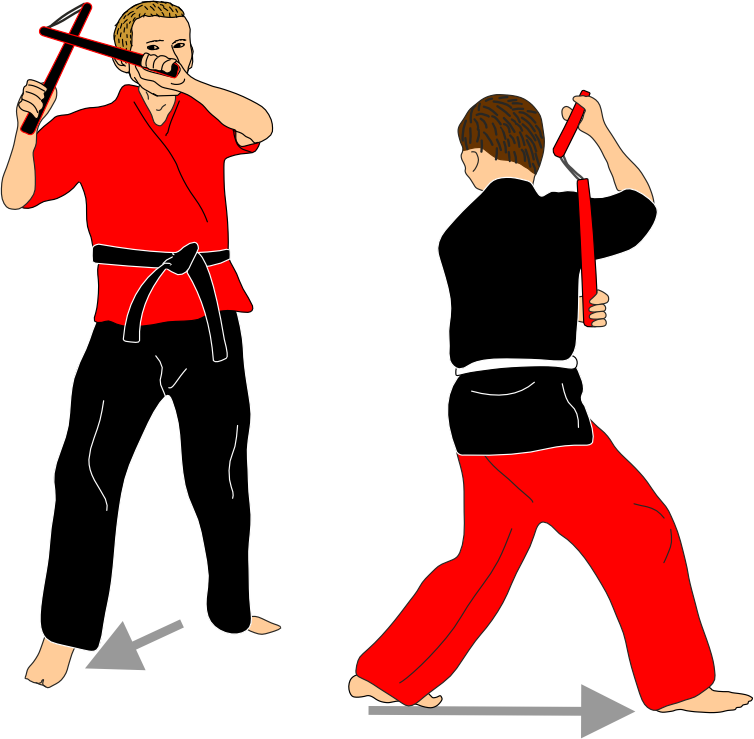
Movement
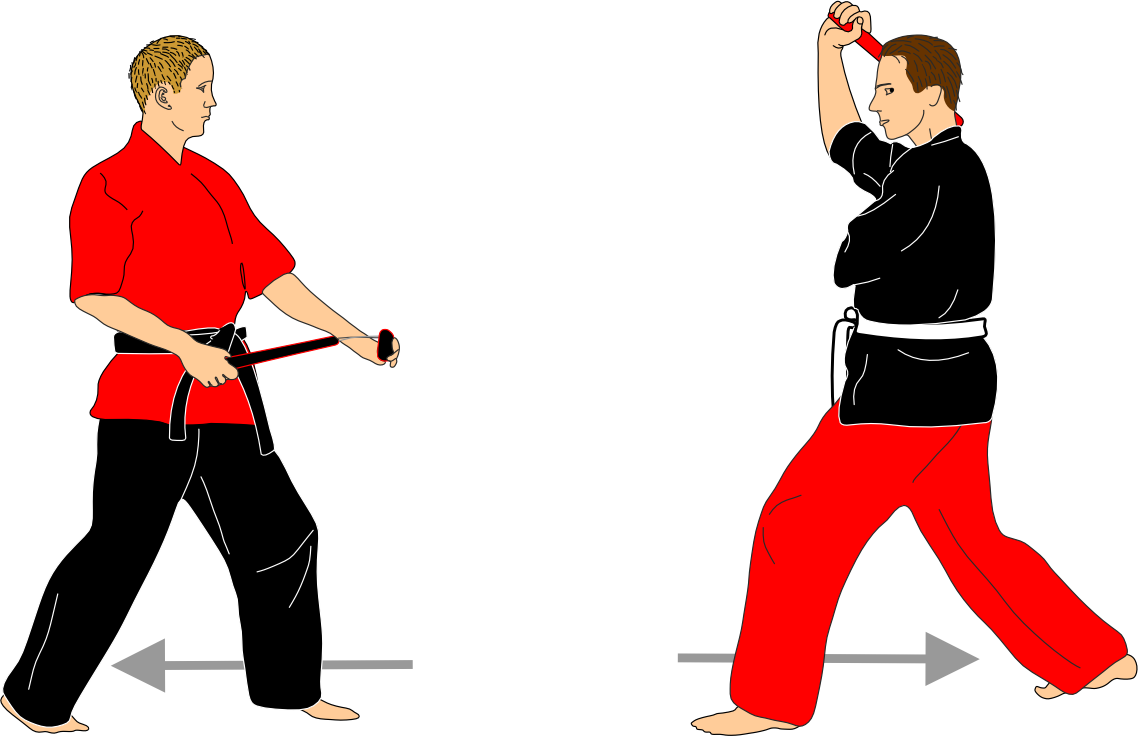
Position
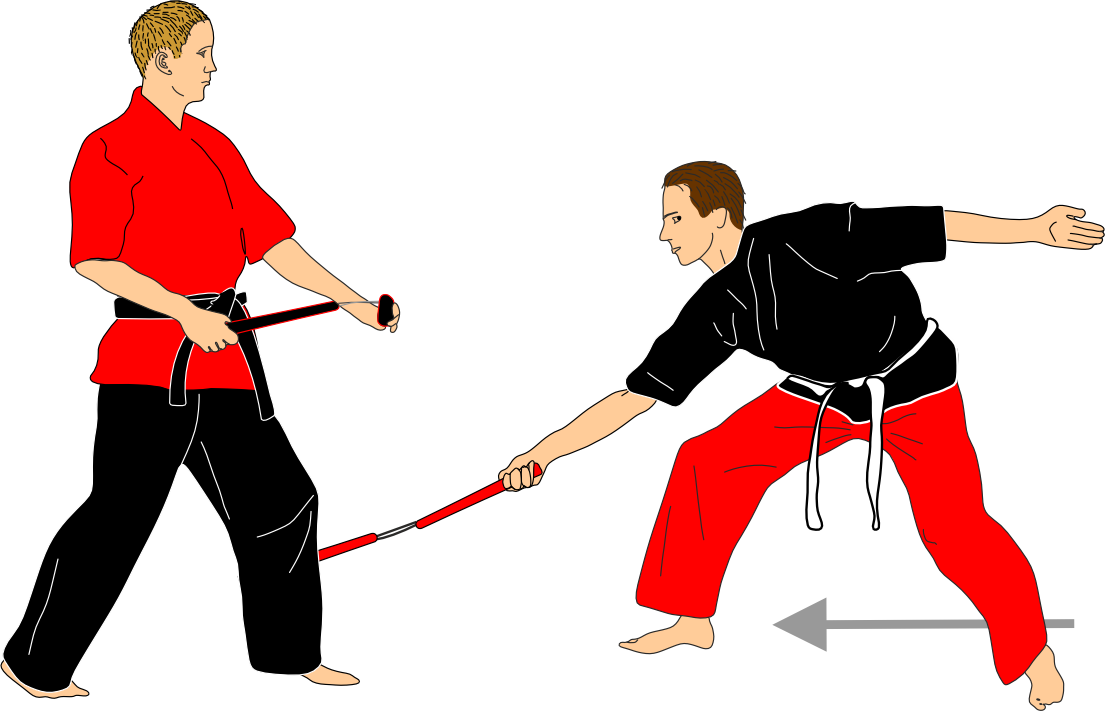
Distance – low strike
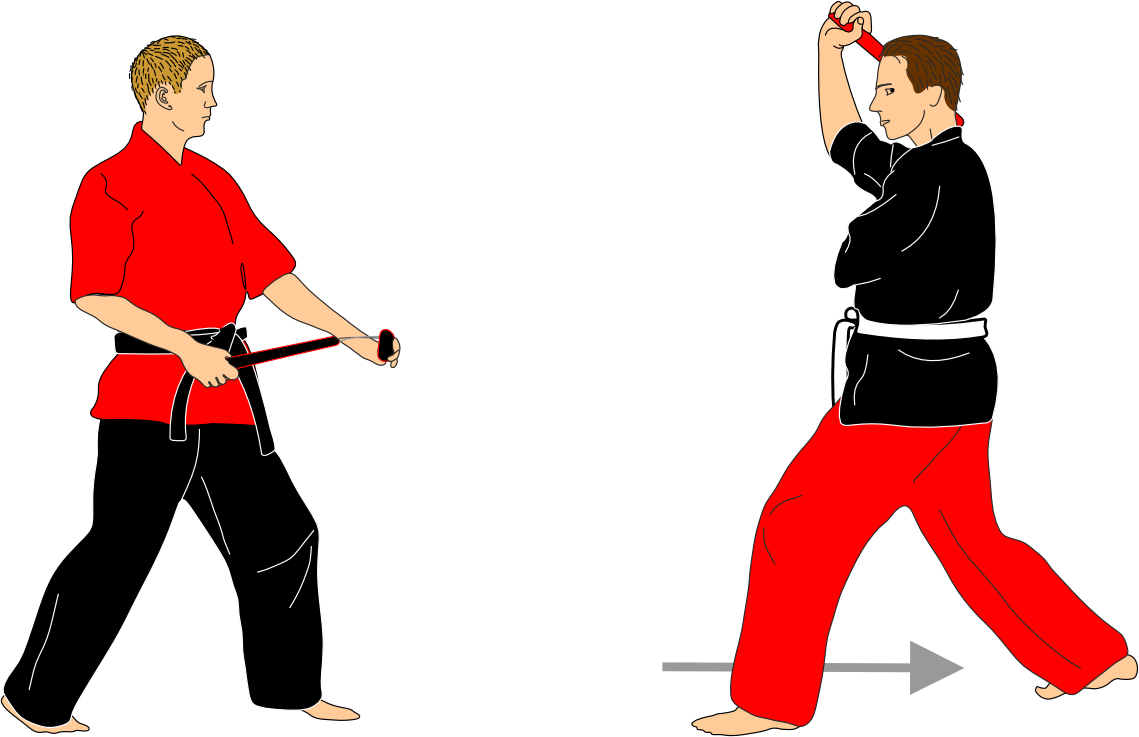
Recovery
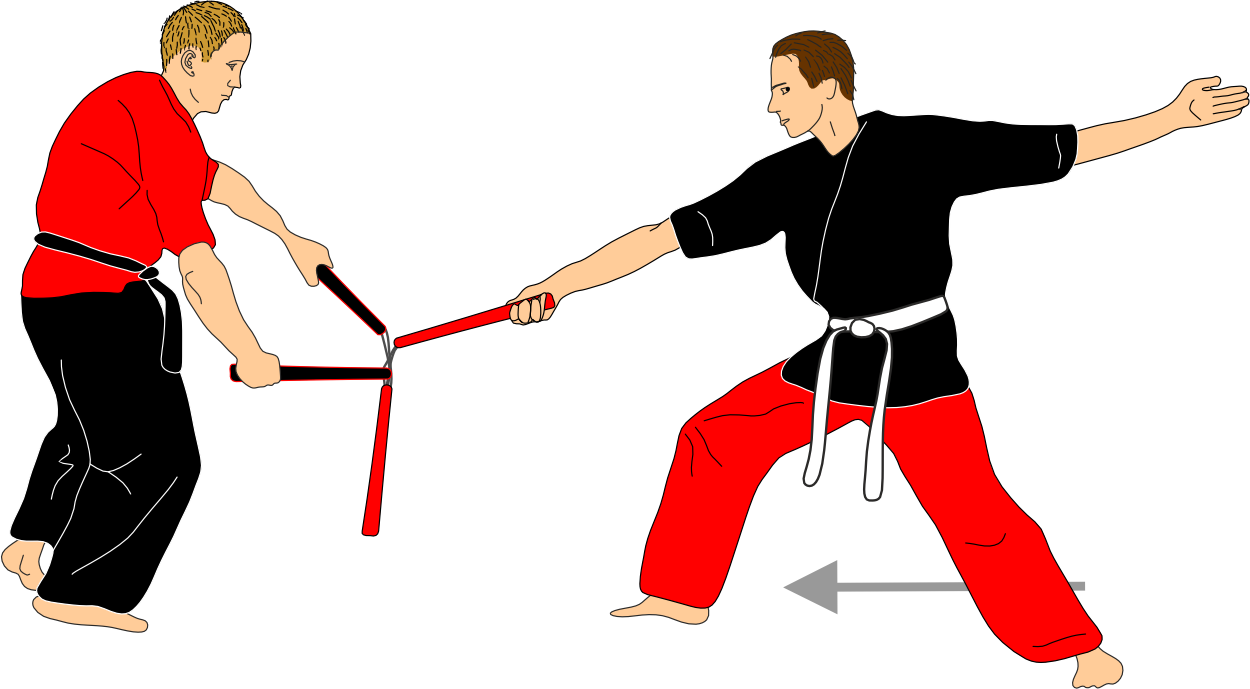
Low strike - Nunchaku disarm
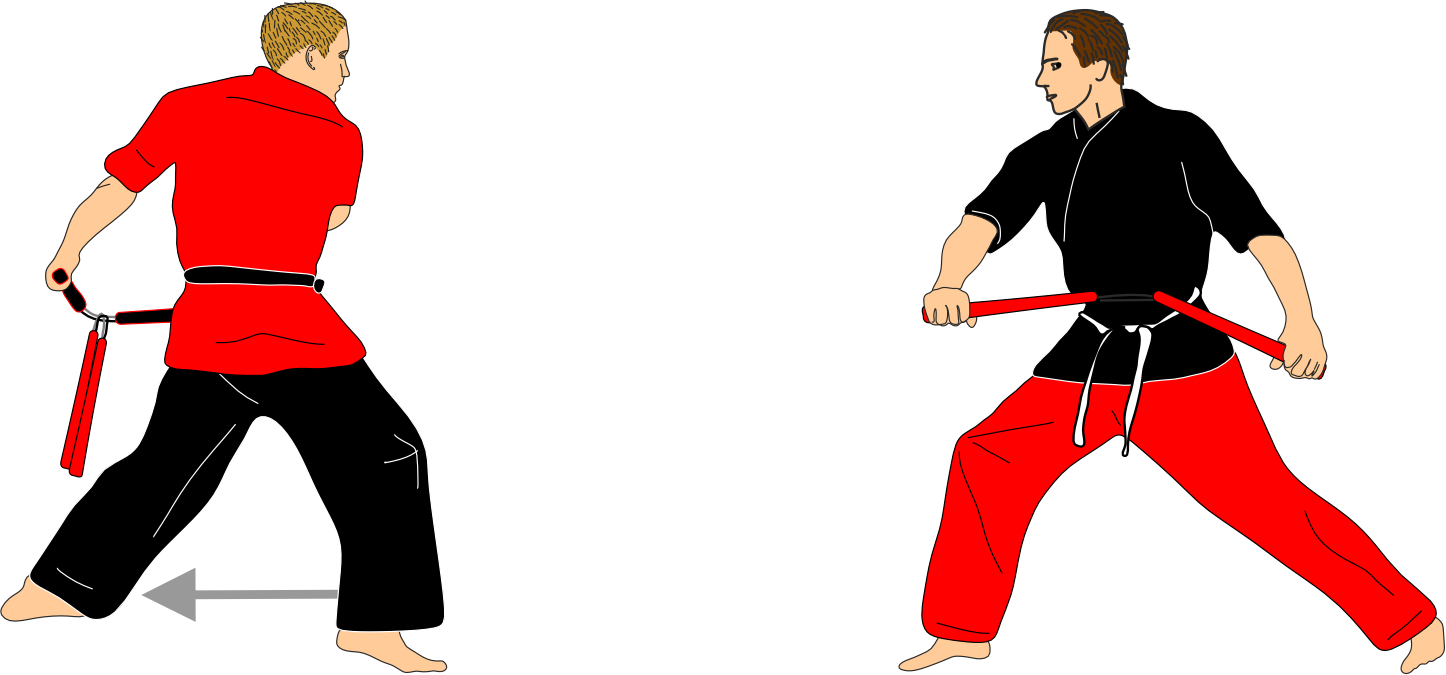
Movement - Nunchaku disarm
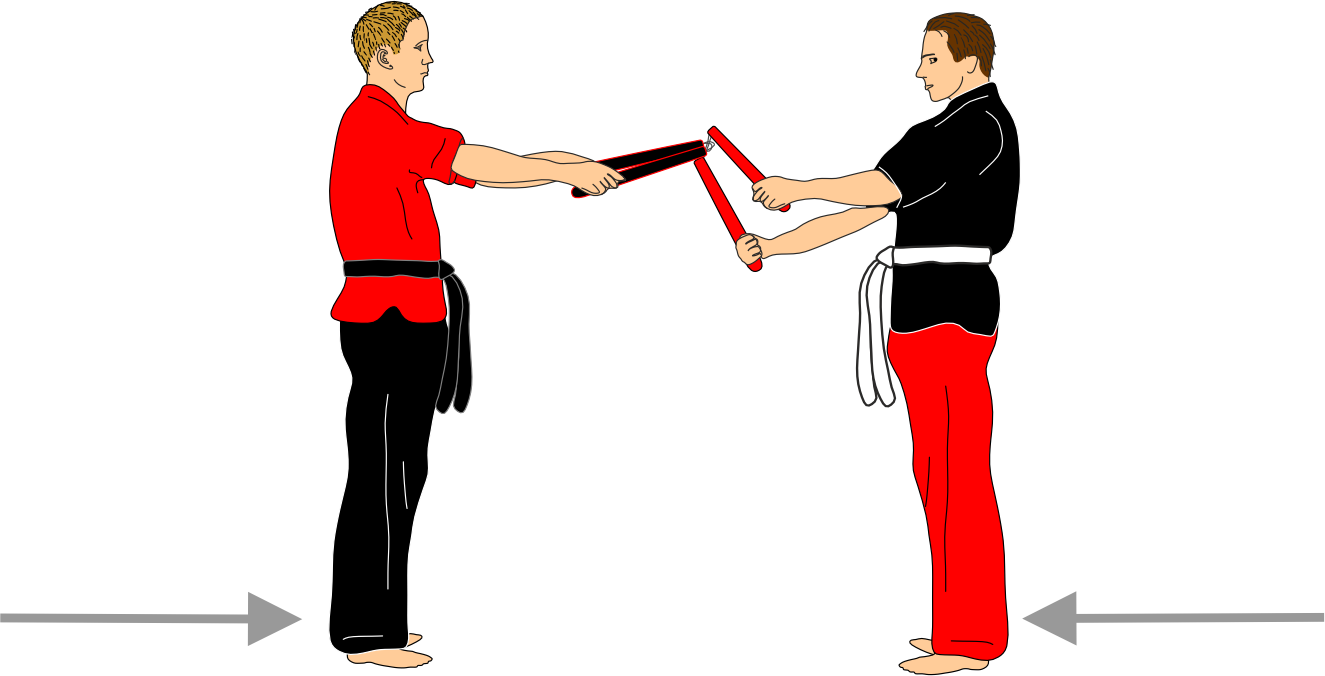
Position
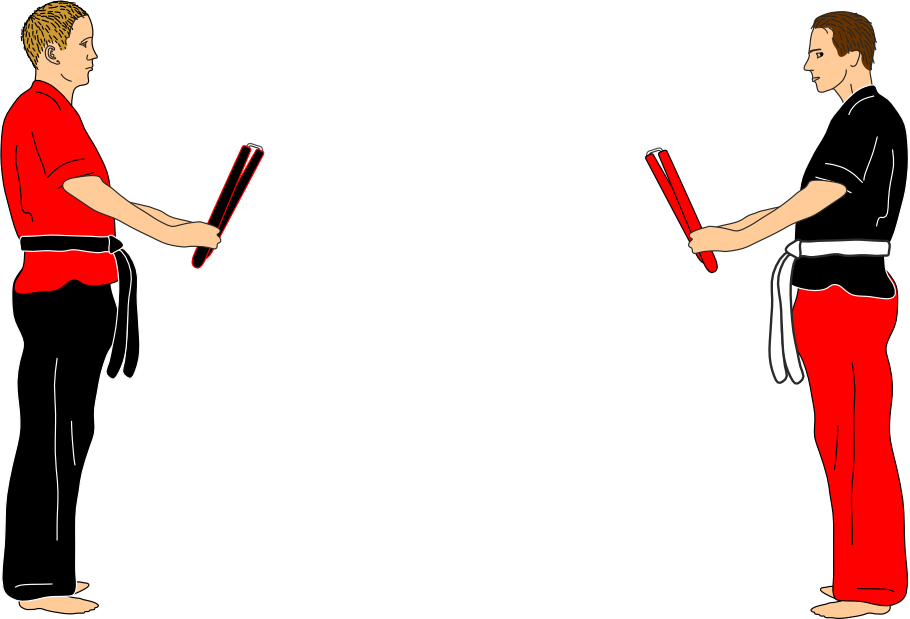
Position
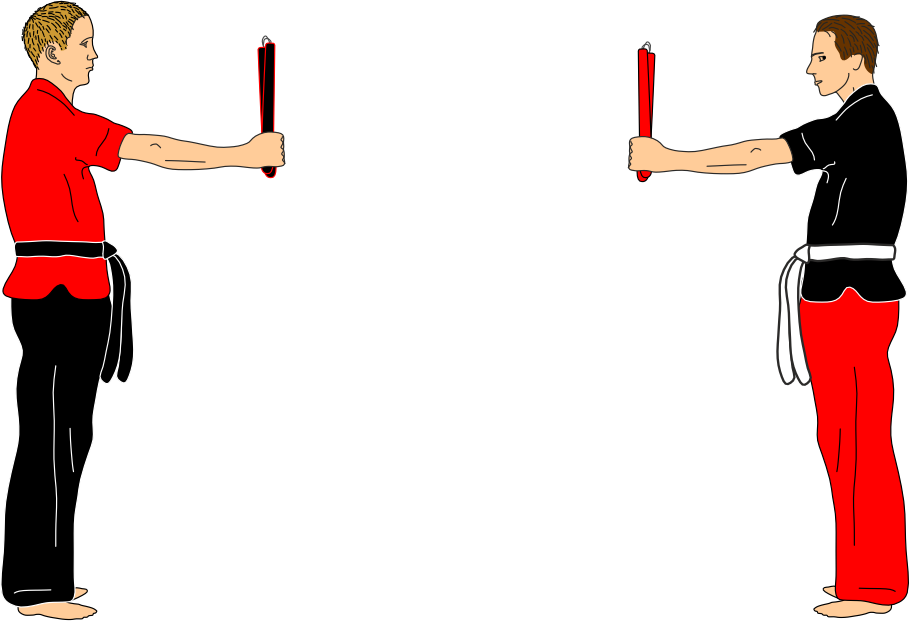
Presentation of the nunchaku
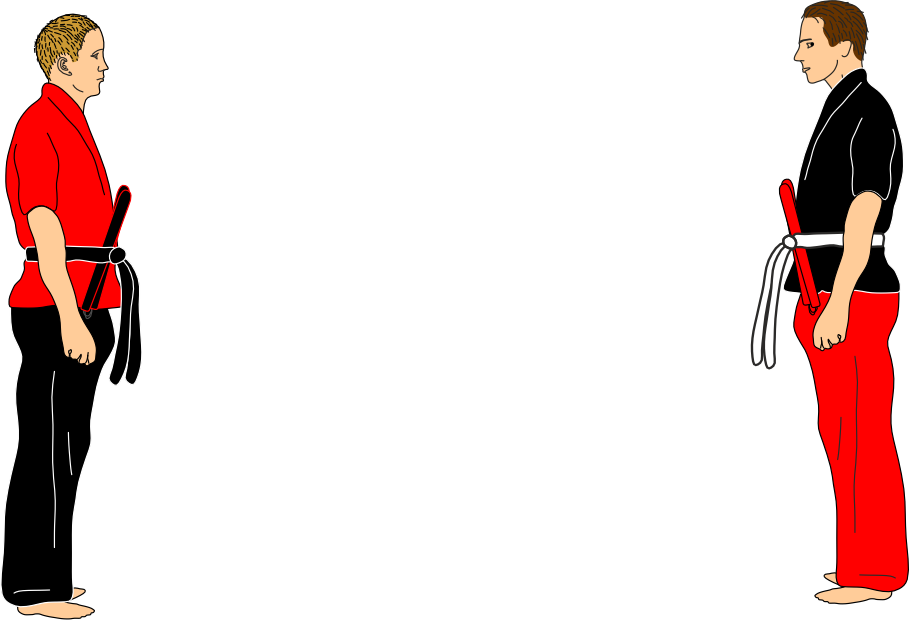
Position
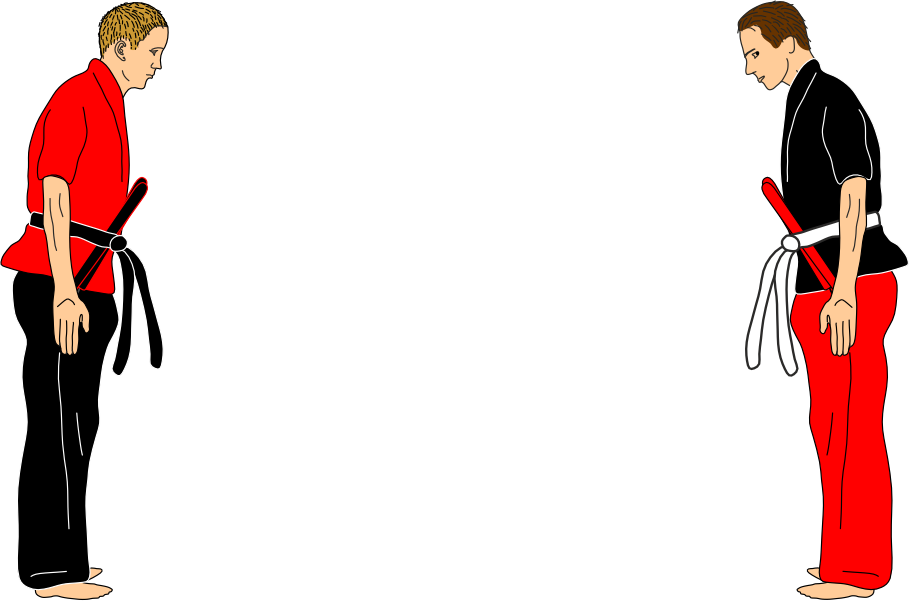
Salute
General Principles of the Combinations
Distance, Timing, and Intent
The combinations are always practiced with soft nunchaku (nunchaku mousse). This allows safe training, clear distance work, and precise timing without unnecessary risk. At a higher level, the same combinations can be practiced with wooden nunchaku, but at that point they no longer belong to the basic level.
Throughout all combinations, constant eye contact between attacker and defender is essential. Moving together begins already during the presentation. From the first moment, both practitioners must be connected in attention, rhythm, and intent.
Each sequence begins with the attacker initiating an attack solely to assess distance. After this action, the attacker always recovers the nunchaku to the same guard position. This phase is intentionally repetitive and serves as a study of distance, timing, and precision with the nunchaku.
The defender remains alert and deliberately waits. He even allows the attacker space to place the technique correctly. Only when the attack is properly executed does the defender respond with a block or evasive action.
If the distance is not correct, the attacker may repeat the action several times. The moment of response is determined by the defender. Once the distance and timing are correct, the action continues.
Structure of the Attacks
The attacker always follows the same fixed sequence of attacks:- Two vertical strikes to the head (right and left)- Two thrusts toward chest or abdomen (right and left)- Two horizontal strikes toward the shoulder (right and left)- One final strike directed at the leg. This structure remains identical in all six combinations.
Role of the Defender
The role of the defender changes with each combination. In the first combination, the defender studies blocking only. All defensive actions are performed as late as possible. This prevents the attacker from adjusting or hesitating and forces full focus on the intended target. The attacker never knows for certain if or when the defense will occur.In this way, the exercise becomes a true exchange of action and reaction, rather than a pre-arranged sequence.
Rhythm and Movement
The attacker continuously sets the tempo. The defender adapts to this rhythm at all times. After the salute, the attacker steps forward and the defender steps back.The defender must maintain awareness and readiness throughout the entire exercise, until the very end. The sequence ends when the attacker draws in the front leg. The defender follows by drawing in the rear leg.
Footwork and Line of Attack
The attacker alternates stance, starting with the left foot forward, then right. Across the seven attacks, this follows the pattern:left – right – left – right – left – right – leftThe attacker stays on a single line and pivots consistently on that line. The defender changes sides after seven defenses according to the following pattern: left – left – right – right – left – right – left This is the result of tai sabaki, moving out of the line of attack while maintaining control and structure.
Closing
At the end of the combination, both practitioners salute each other again.
Overview of the Six Combinations
1e Block 2e Esquive 3e Block & Counter 4e Esquive & Counter 5e Block, Pivot & Counter 6e Esquive, Pivot & Counter