Key points
Essential principles that form the core of effective NC5 martial art understanding.
Key principles are the essential elements that guide training and development. They form the foundation upon which technique, understanding, and personal growth are built.
Key point 1
For controlled recovery of the nunchaku after impact.
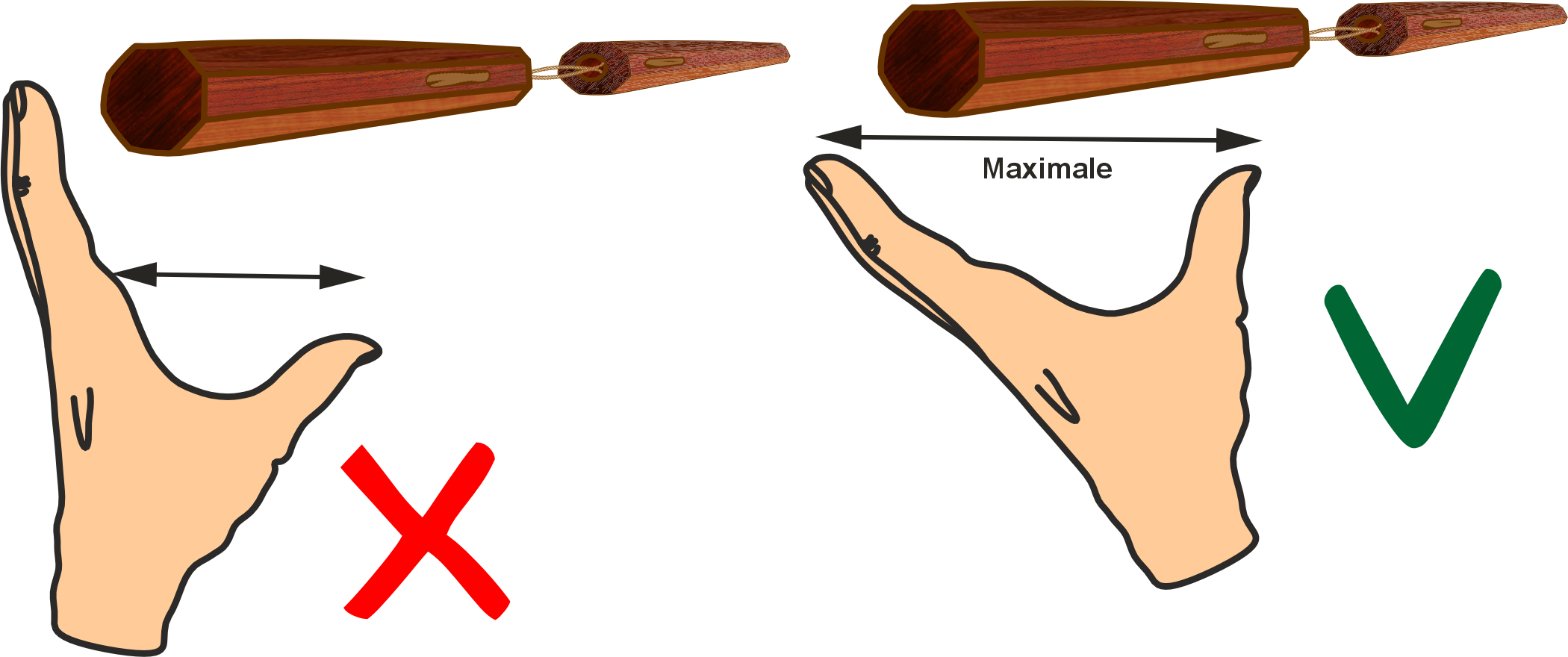
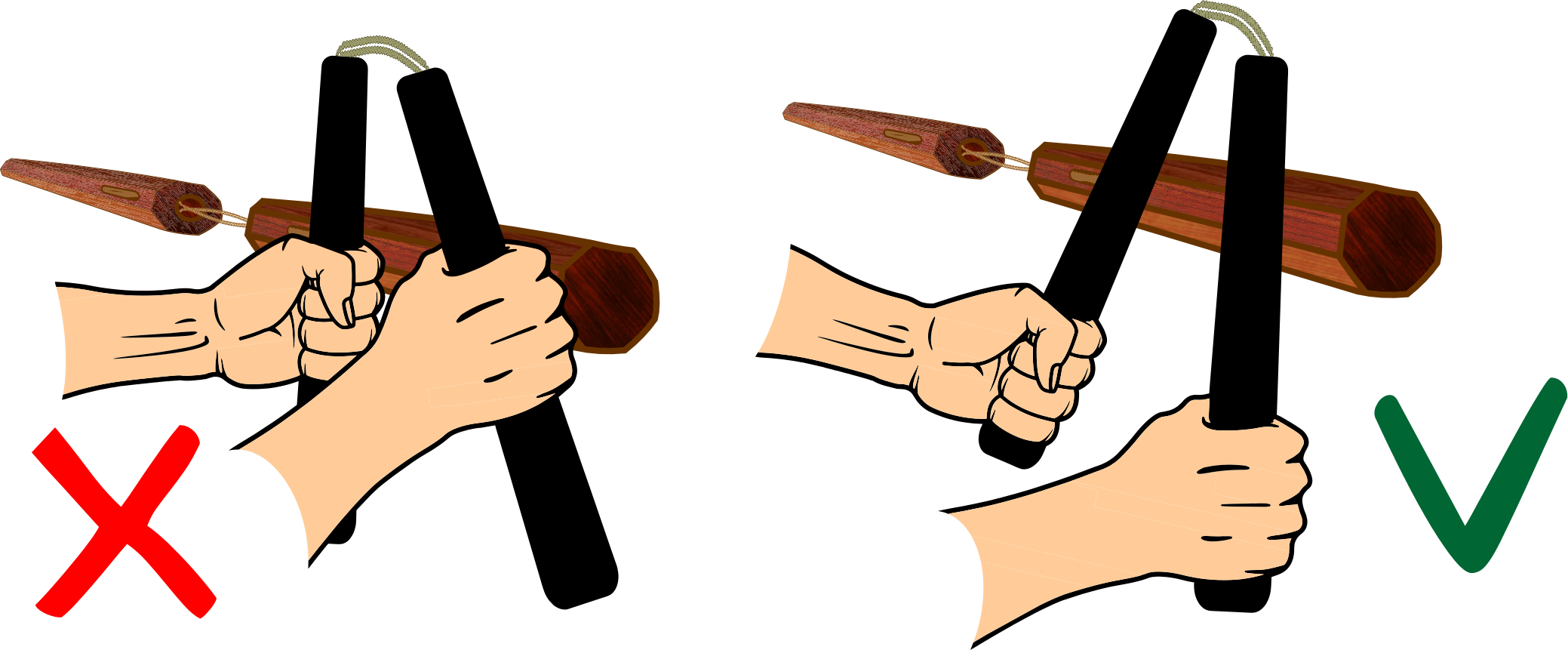
The position of the catching hand is crucial. The hand should be wide open and held at a slight angle, allowing the returning part of the nunchaku to fall into it perpendicularly. This creates a funnel-like shape that naturally guides the nunchaku into the hand. When executed correctly, the result is almost always superior to catching with a half-closed hand or an incorrect angle of entry. (See illustration)
Key point 2
Mobility and Explosiveness
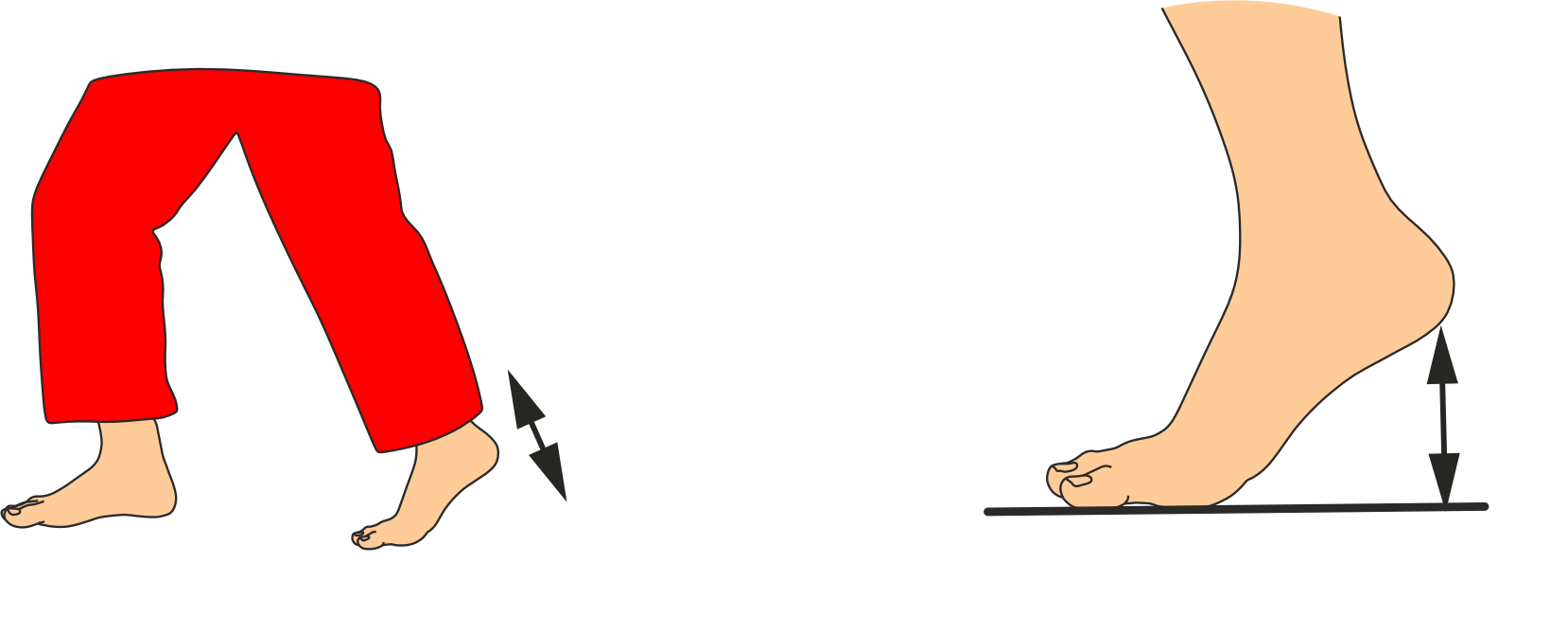
In combat, you want to be mobile and explosive. The nunchaku is your weapon—the extension of your body—and must be able to strike its target effectively. For this reason, a motoric, dynamic stance is essential. A stance that allows movement offers great advantages. Through training in kata and targeted exercises, you primarily develop the rear leg, which is responsible for push-off, acceleration, and escape. Keep the heel of the rear leg lightly off the ground, like a sprinter before the start. This posture makes it possible to react explosively at any moment: for an attack, a repositioning, or a rapid escape. This mobility is trained through conscious and repeated practice: again and again lifting the heel of the rear leg without losing relaxation. In this way, the body remains alert, movements stay light, and reactions remain immediate. Mobility creates control. Explosiveness gives the nunchaku its power.
Key point 3
A firm grip
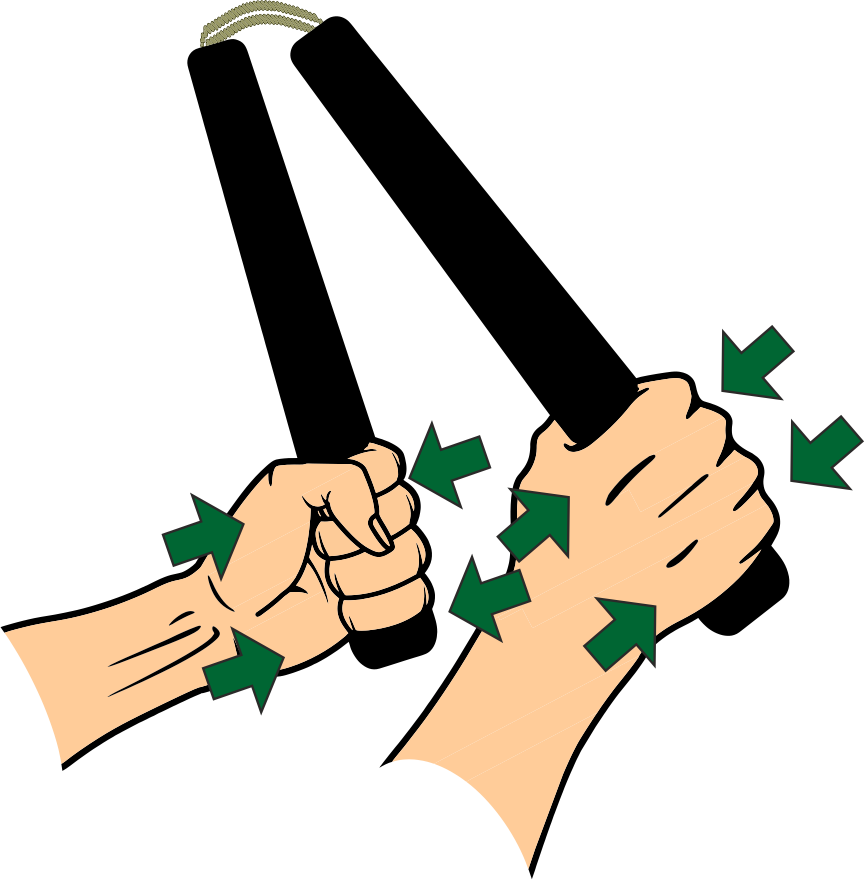
A firm grip on the nunchaku is essential in combat. It prevents the weapon from flying out of the hand and ensures maximum control and power transfer, both in attack and in defense. Anyone who loses their nunchaku stands like a samurai without a sword, a gunslinger without a pistol, or a football player without a ball. You lose not only your weapon, but also your face, your position, your dominance. For a nunchaku practitioner, grip is not a detail: your life, your control, and your honor metaphorically depend on it—just as a samurai always regarded his sword as an extension of his will.
Key point 4
Maximum reach and defensive control through correct grip placement.
Holding the nunchaku at its end is of great importance, not only for increasing reach but also for defense. By handling the nunchaku at the end, a significantly larger defensive surface is created. This allows incoming nunchaku strikes to be blocked and controlled more effectively. Correct hand positioning therefore enhances both offensive and defensive capabilities. (See illustration)
Key Point 5
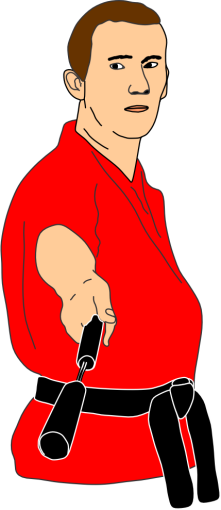
Piquée (punch)
The piquée is the directed thrusting movement toward the target. This technique requires focus, correct distance, and proper alignment of body, arm, and nunchaku. The piquée marks the beginning of the action and determines the quality of everything that follows.
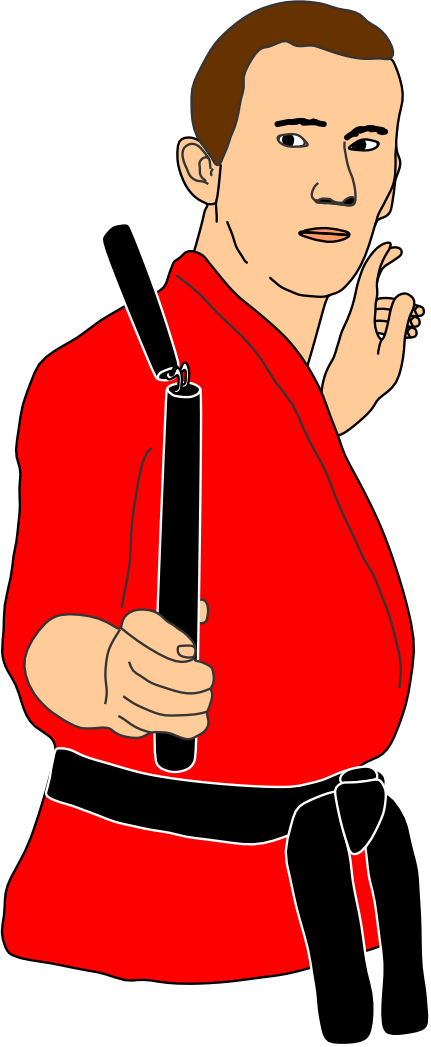
Claque (sound)
The claque is the exact moment of impact. It occurs when the nunchaku is fully extended and the cord limits the second section. The audible sound (clac or klak) confirms that timing, speed, and distance are correct. This moment is brief and demands complete concentration; there is no time to linger in the impact.
Key Point 6
Rotation contrôlée (recovery after impact)
After the claque, a rotation contrôlée may be chosen. This controlled rotation helps bring the nunchaku back into its correct path after impact and restore control. For beginning practitioners, this is the safest and most stable way to regain rhythm and prepare a follow-up action.
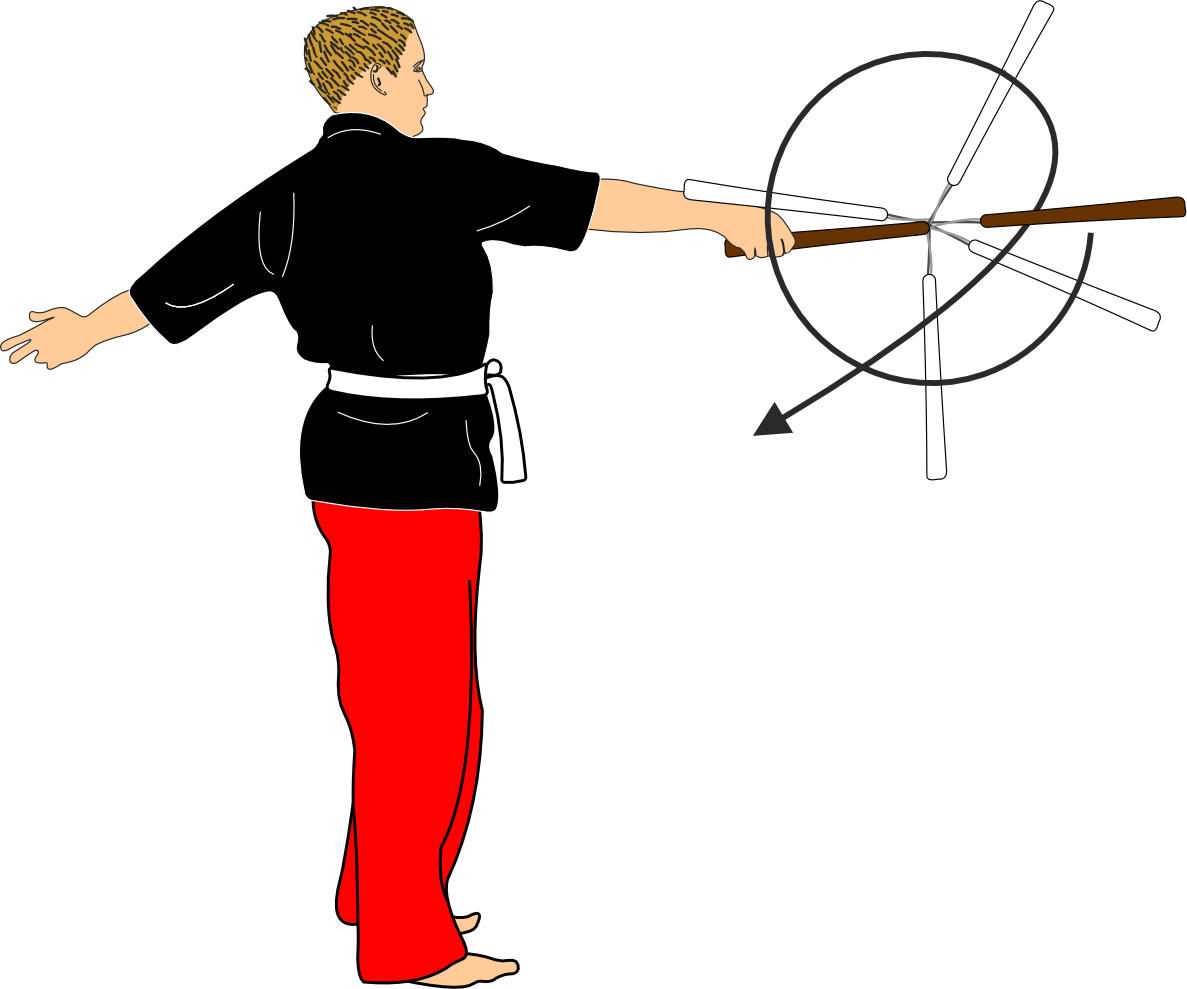
Sans rotation – recovery without rotation (a split-second choice)
The second option is immediate recovery without rotation (sans rotation). In this case, the nunchaku is pulled back into guard directly after the claque, without additional movement. This requires full mastery of timing, power, and coordination. The choice between rotation contrôlée and sans rotation is made in a fraction of a second and depends on level, situation, and intent. This decision moment is characteristic of advanced and master-level nunchaku practice.
← Back to the NC5 Circles
Explore Further → Maximum Reach